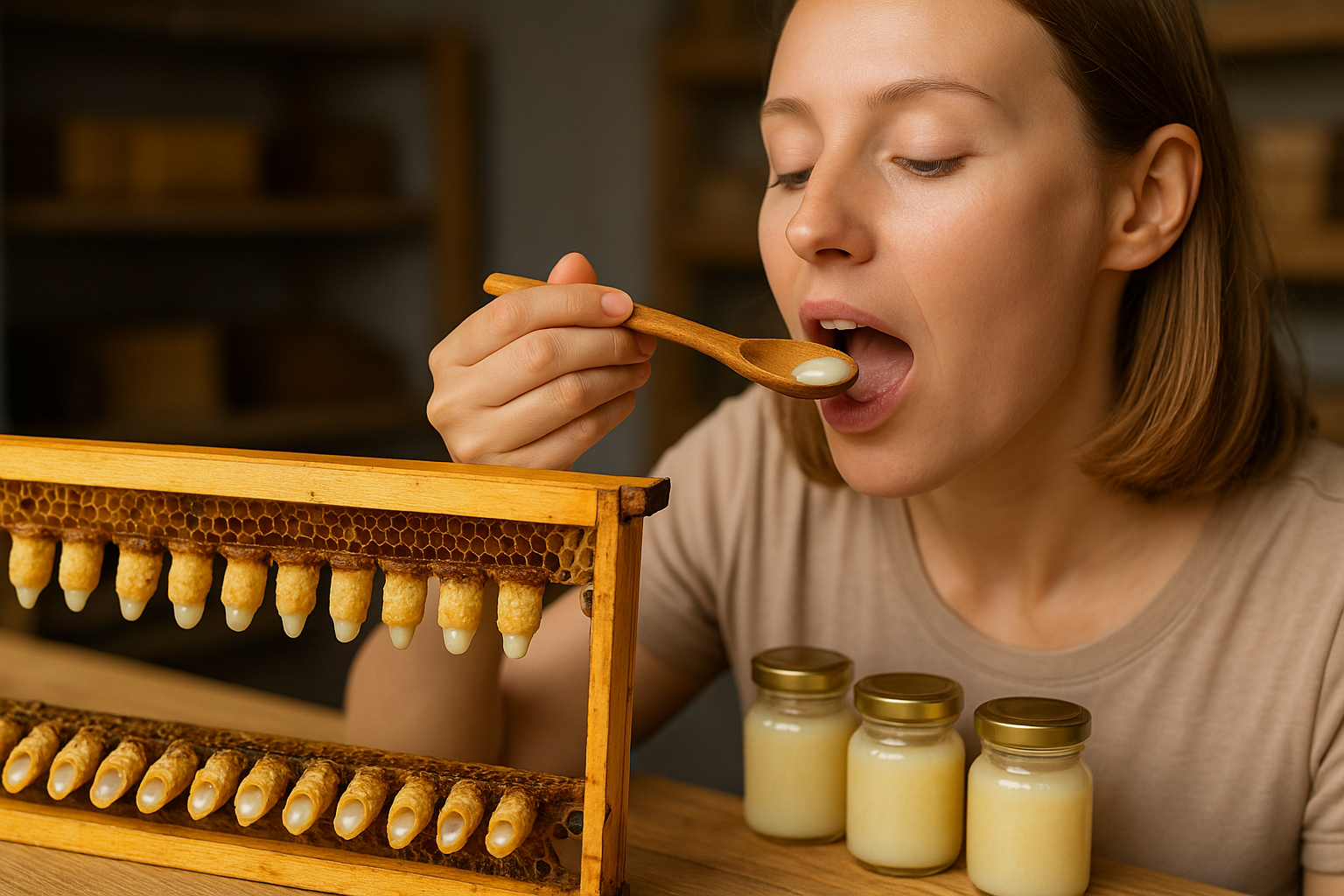
👑 Royal Jelly — Nature's Purest Power
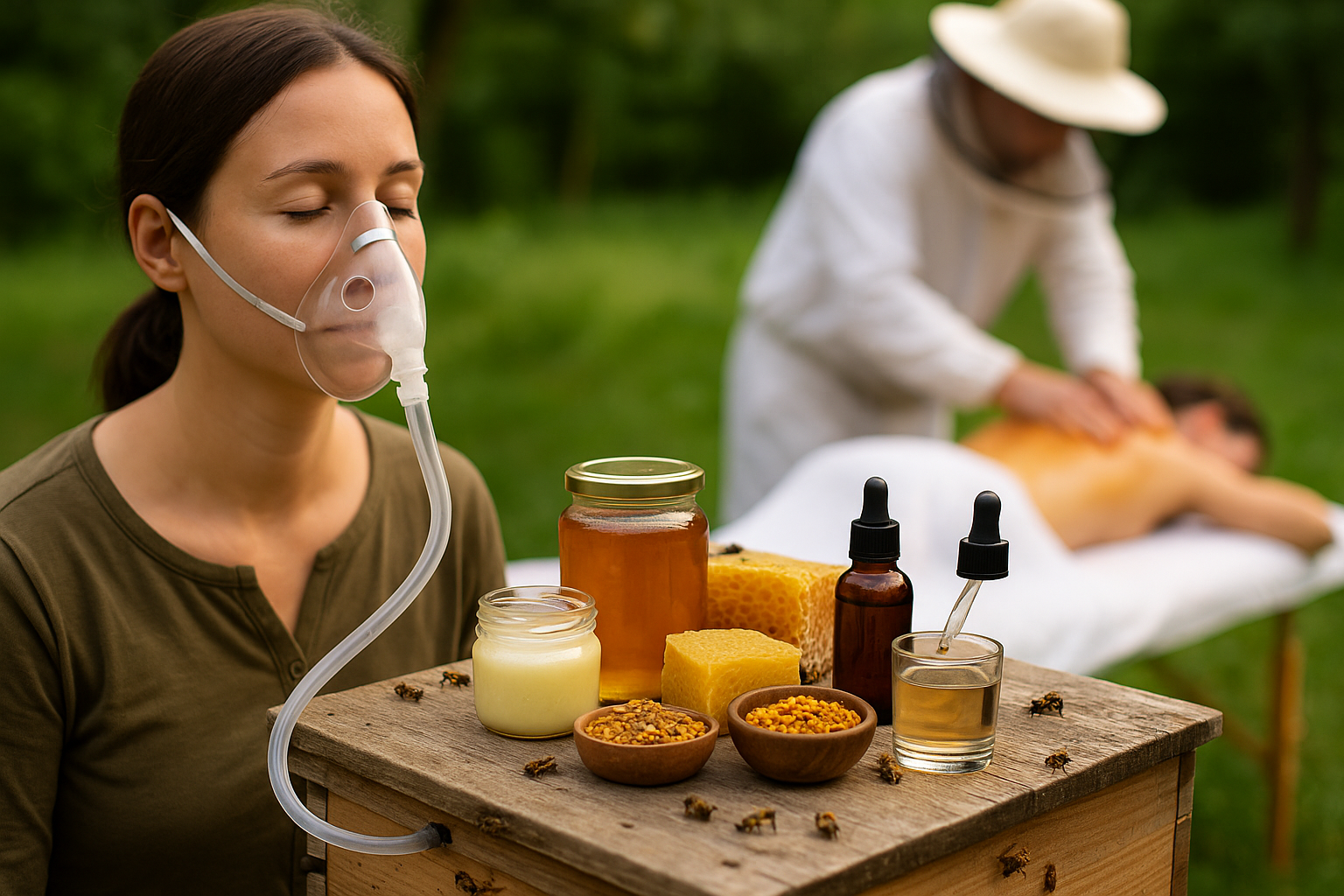
Summary: Royal Jelly is a biologically active substance secreted from the salivary glands of young worker bees, rich in protein, vitamins, amino acids, and enzymes. While worker bees live for about 2 months in the summer, the queen bee can live up to 6 years. The queen bee feeds exclusively on this substance, which allows her to live on average 40 times longer. Due to its metabolism-supporting, cell-regenerating, and immune-balancing properties, Royal Jelly holds a special place in apitherapy. However, it is not a medicine but a natural dietary supplement.
🔬 1) What is Royal Jelly and How is it Produced?
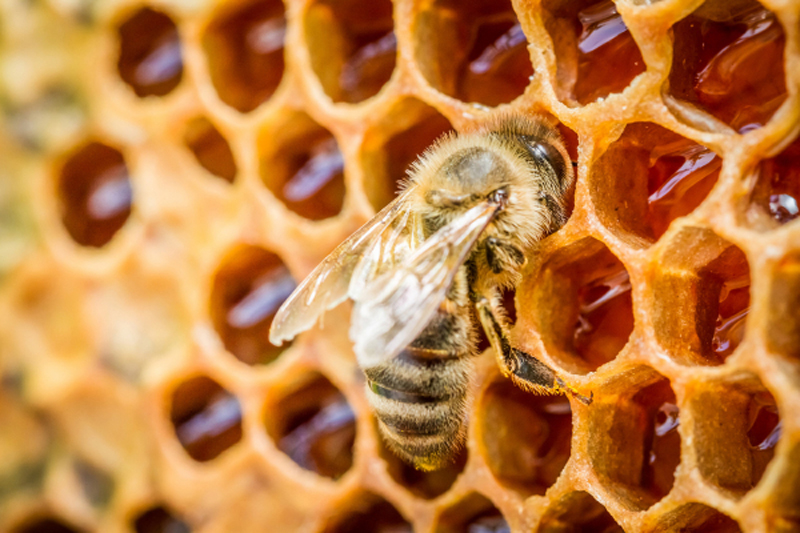
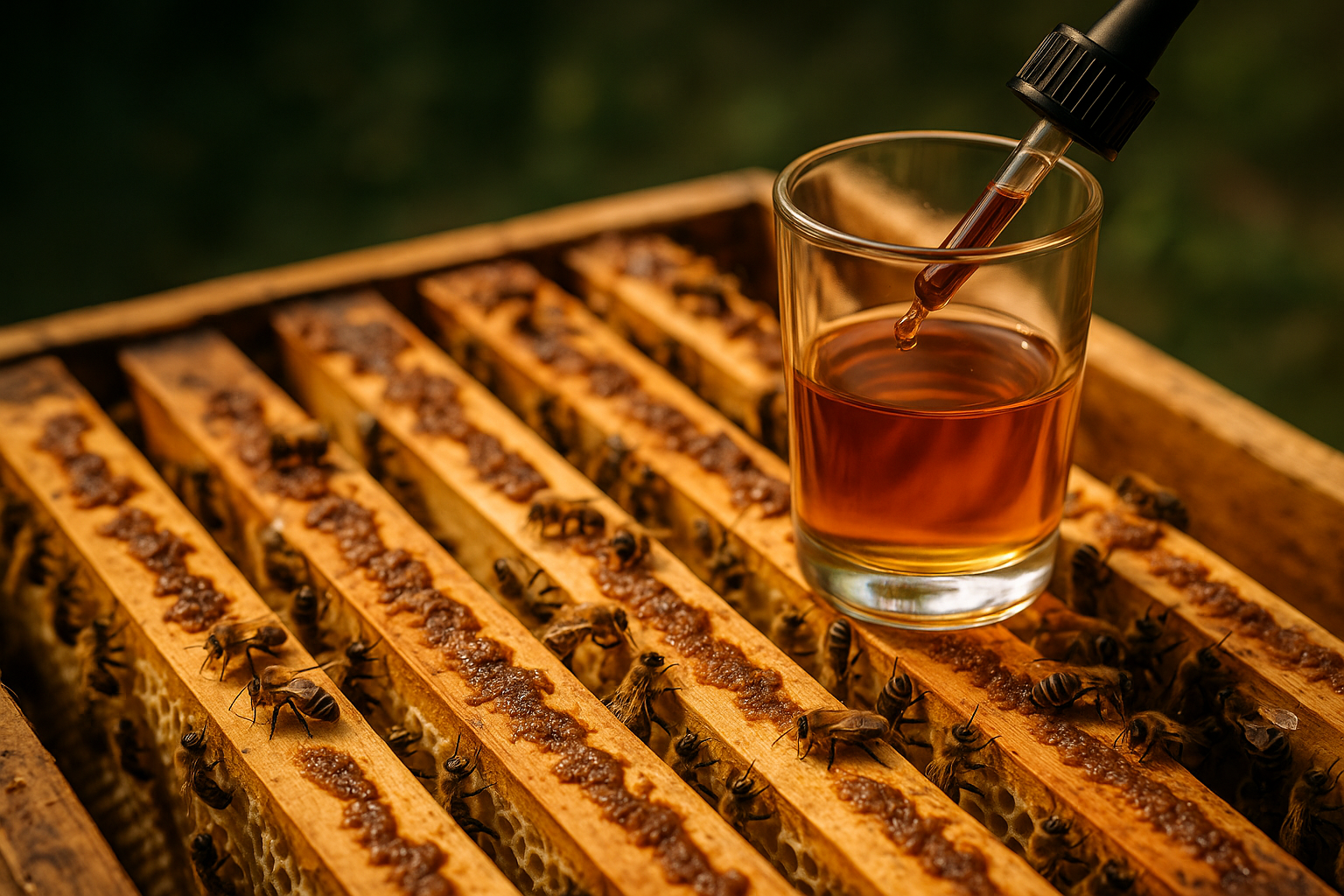
Royal Jelly is secreted from the hypopharyngeal glands of 5–15 day old worker bees. Queen bee candidates and young larvae are fed with this jelly in the comb cells. In commercial production, colonies are encouraged to produce large quantities of this substance by mimicking queen cells. On the 3rd day, the larvae are removed and the royal jelly is collected. The obtained product is immediately refrigerated or frozen for storage.
Physical Property:
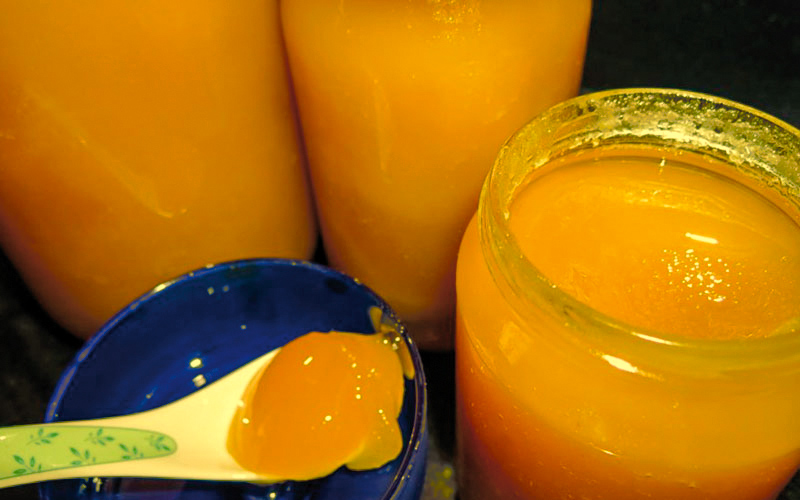
Thick consistency, light cream color, slightly sour aroma. Its pH value is generally in the range of 3.5–4.5.
Thick consistency, light cream color, slightly sour aroma. Its pH value is generally in the range of 3.5–4.5.
Storage Method:
It should be transported via cold chain (+4°C) and not exposed to air and light for extended periods.
It should be transported via cold chain (+4°C) and not exposed to air and light for extended periods.
Purity Indicator:
Natural royal jelly does not dissolve completely in water; it tends to crystallize at low temperatures.
Natural royal jelly does not dissolve completely in water; it tends to crystallize at low temperatures.
🧬 2) Royal Jelly Content — Scientific Components
Royal Jelly contains over 100 bioactive compounds. The most important components are:
- Proteins (12–15%): Especially the Major Royal Jelly Proteins (MRJP 1–9) group; effective in cell regeneration and tissue repair.
- Sugars (10–15%): Fructose and glucose — provide natural energy.
- Lipids (3–6%): 10-HDA (10-hydroxy-decanoic acid) — a unique fatty acid found only in royal jelly, exhibits antioxidant and antimicrobial properties.
- Vitamins: B5 (pantothenic acid), B6, B1, B2, folic acid, and small amounts of A, C, D, E.
- Minerals: Calcium, potassium, iron, magnesium, zinc, copper, manganese.
- Amino Acids: Proline, lysine, arginine, glutamic acid — involved in cell metabolism.
💪 3) Potential Benefits of Royal Jelly (Scientific Perspective)
- Immune system support: Studies have shown that MRJP proteins activate immune cells (NCBI, 2021).
- Reduction of fatigue and stress: May help with cortisol balance thanks to amino acids and Vitamin B5.
- Skin health and anti-aging effect: Antioxidant polypeptides support cell regeneration.
- Reproduction and hormone balance: Some research has observed supportive effects of royal jelly consumption on menstrual balance and fertility (Wageningen, 2018; PubMed, 2020).
- Muscle regeneration and energy: Used as a natural protein and energy source in athlete nutrition.
⚗️ 4) How to Consume Royal Jelly?
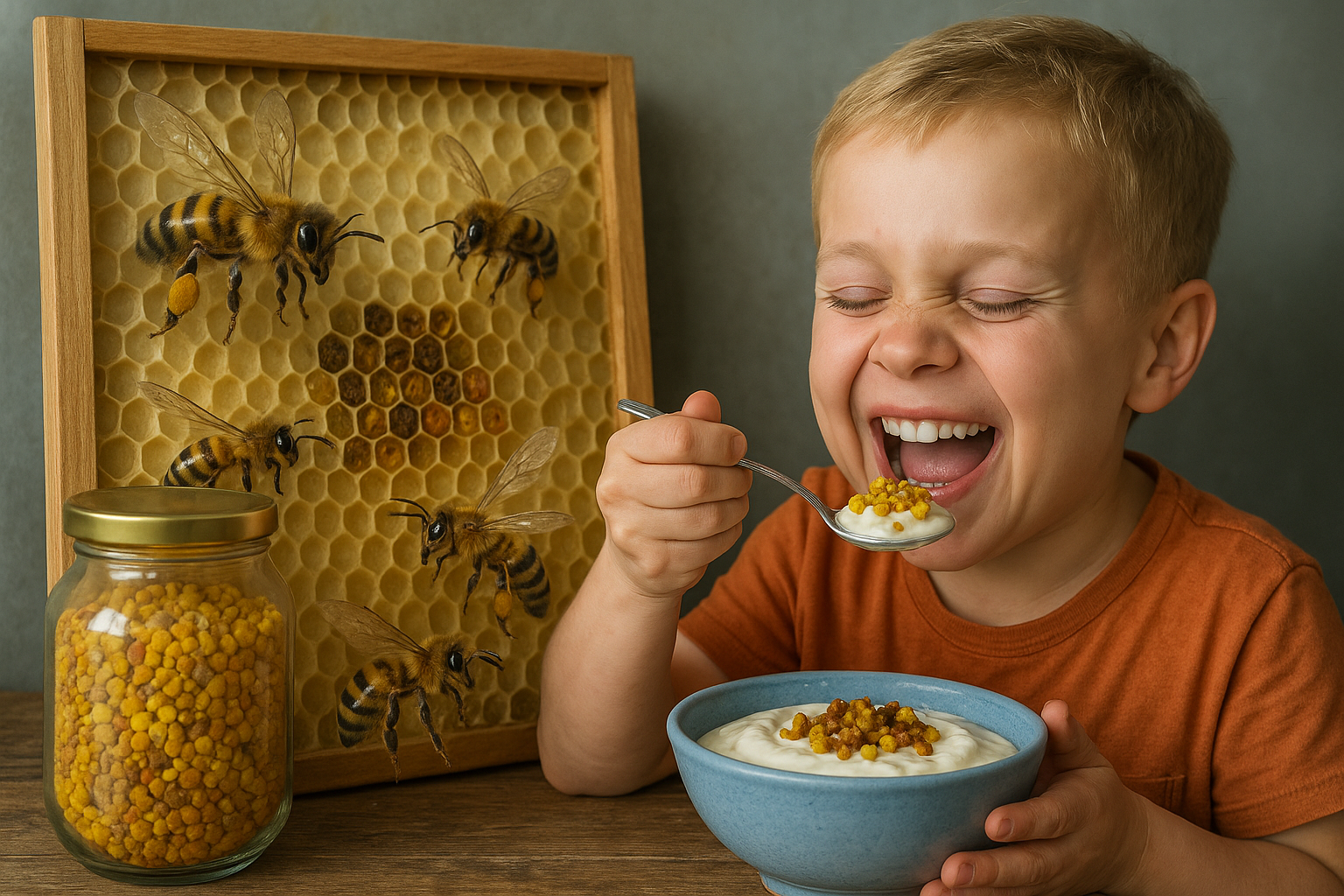
- Pure royal jelly can be taken sublingually on an empty stomach in the morning, approximately 500 mg – 1 g per day.
- It can be mixed with honey (e.g., 1 g royal jelly / 20 g honey) for both preservation and taste balancing.
- It may also be sold in capsule or lyophilized (freeze-dried) form — shelf life is longer.
- For children, it should only be given in small doses and on doctor's advice.
📜 5) Royal Jelly Throughout History
- Ancient China: Considered an "elixir of life" by royal families.
- Ancient Greece: Hippocrates and Aristotle recommended bee products as general health tonics.
- Ottoman Era: Referred to as "queen's milk" in sherbets and medicinal pastes.
🔬 6) Scientific Research and Sources
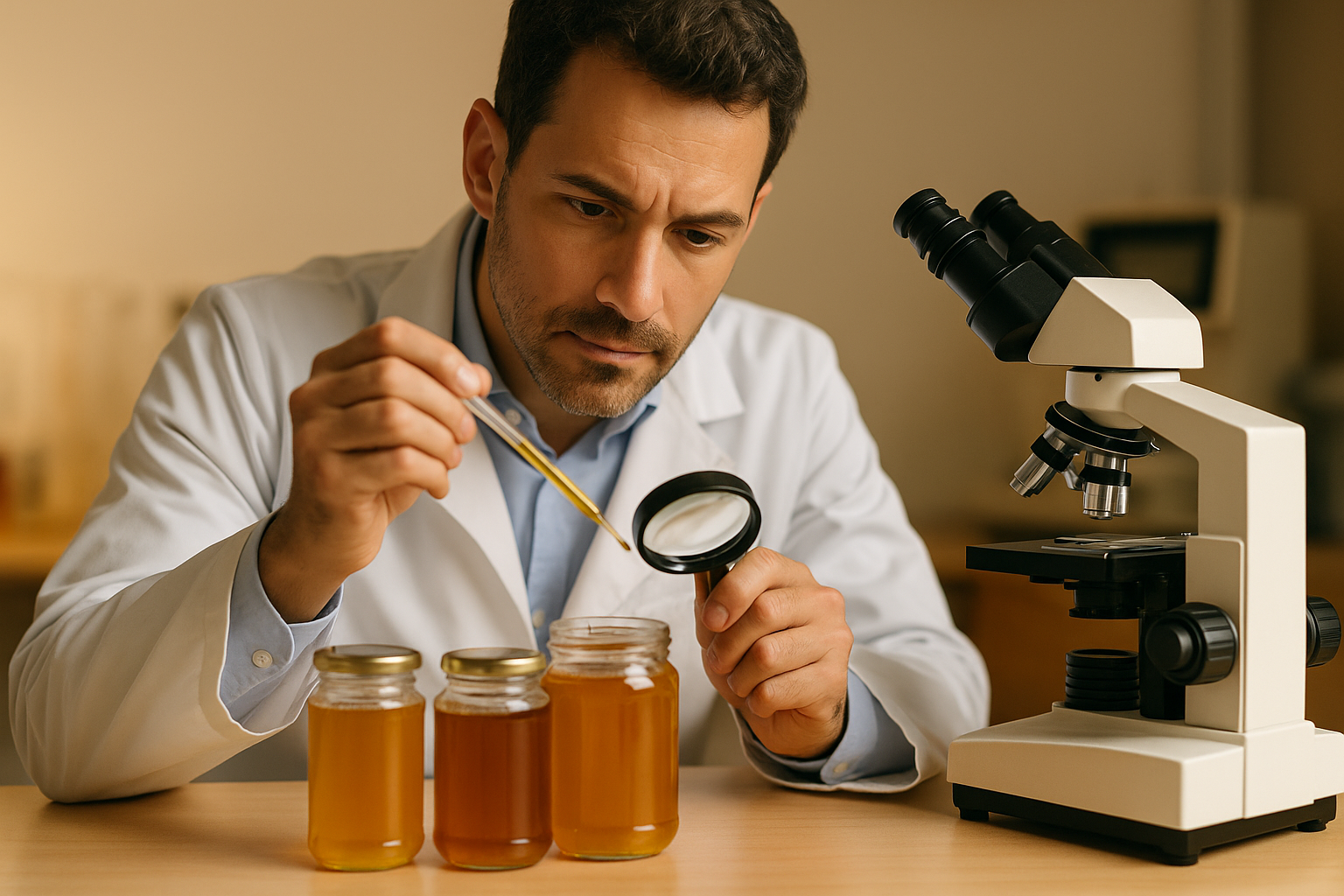
Wageningen University (2018)
Researched the effects of royal jelly peptides on the hormonal system.
Researched the effects of royal jelly peptides on the hormonal system.
NCBI, PMC 2021
Immunostimulatory effects of MRJP proteins (cellular immunity).
Immunostimulatory effects of MRJP proteins (cellular immunity).
NIH Review 2019
Antioxidant mechanisms and neuroprotective effects of the 10-HDA compound.
Antioxidant mechanisms and neuroprotective effects of the 10-HDA compound.
- Biochemical analysis on Royal Jelly and 10-HDA
- Wageningen University Apiculture Research
- Royal Jelly's immunomodulatory and metabolic effects (NCBI)
- Bioactive peptides from Royal Jelly (ScienceDirect, 2020)
⚠️ 7) Precautions
- Allergy: Individuals allergic to bee products should not use it.
- Infants: Not to be given to infants under 12 months.
- Storage: Royal Jelly should be stored between 0–5°C; it spoils at room temperature.
Did you know that royal jelly is one of the purest nutrients in nature?
Explore BeesLike Royal Jelly Collection »
Explore BeesLike Royal Jelly Collection »
Legal Disclaimer: This content is for informational purposes only. Royal Jelly is not a medicine; it can be used as an apitherapy support. Consult your doctor in case of chronic conditions, pregnancy, or medication use.