Summary: Honey is not just a sweetener; it is also one of the oldest and most valuable foods in human history. For thousands of years, it has been respected across cultures for both its taste and its natural character. So what do we mean by “real honey”? For us, real honey is honey that has not been heavily heat-treated, has not been stripped away from its natural structure, and reaches your table from the right source with care.
Real (raw) honey contains natural sugars, aroma compounds, and trace amounts of antioxidants. In daily nutrition, it stands out as a balanced sweetener; in traditional use, it has been used as a supportive choice for soothing the throat and for skin care. However, honey is not a medicine. It should not be given to babies under 12 months; caution is needed for those with allergies and people with diabetes.
#rawHoney #naturalEnergy #traditionalUse #Honey
🍯 1) Natural Energy & Nutrition
Raw honey provides quick, readily available energy and vitality thanks to natural glucose and fructose. It may also contain phenolic compounds, enzymes, and small amounts of minerals/vitamins. A tablespoon at breakfast, in a yogurt–fruit bowl, or as a small touch before exercise is practical and satisfying. When consuming honey, we should eat only as much as the body needs; it should not be overconsumed—especially at breakfast; balance is essential.
Real honey contains vitamins such as vitamin C, vitamin B6, and riboflavin (B2), as well as minerals such as potassium, calcium, phosphorus, magnesium, iron, and zinc. The vitamin and mineral profile of honey may vary depending on the type of nectar collected by the bees, but these nutrients generally make up honey’s nutritional value.
Vitamins
- Vitamin C: Known for its antioxidant properties.
- B Vitamins: Contains B vitamins such as B6 and riboflavin (B2).
- Folic Acid: Folic acid in honey is important for cell growth and development.
Minerals
- Potassium: Helps support healthy blood pressure.
- Calcium: Important for bone health.
- Phosphorus: Necessary for bones and teeth.
- Magnesium: Plays a role in many enzymatic reactions in the body.
- Iron: Responsible for transporting oxygen in the body.
- Zinc: Supports the immune system.
- Chlorine and Sulfur: Other minerals found in honey.
- Silicon, Manganese and Copper: Other trace minerals.
Amino acids and enzymes:
Enzymes present in small amounts in honey (for example, glucose oxidase) are a natural part of honey’s structure.
Polyphenols:
These are the main compounds behind honey’s antioxidant character. They may play a supportive role in helping the body against environmental free radicals.
⚡
Quick energy
Glycemic load & portion control are important.
Glycemic load & portion control are important.
🌿
Aroma/antioxidants
Aroma and the enzymes/minerals it contains vary by flora.
Aroma and the enzymes/minerals it contains vary by flora.
🥄
Small portions
1–2 tablespoons per day is enough for many people.
1–2 tablespoons per day is enough for many people.
🥣 2) Honey in the Kitchen: A 360° Flavor Guide from Savory to Sweet
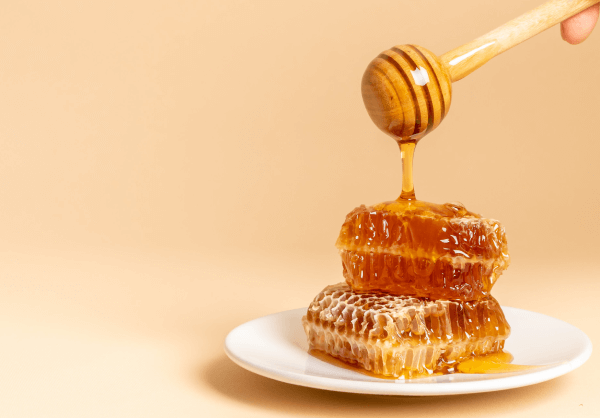
Real honey offers a more complex taste and texture compared to refined sugar. It adds “shine” to sauces, “caramelized depth” to marinades, and “velvety softness” to desserts. Crystallization is often a sign of natural honey; you can make it runny again with a gentle bain-marie.
In meat and chicken dishes, honey is not only a sweetener; it is also a wonderful marinade and sauce component.
- Honey–Mustard Chicken: Chicken marinated with olive oil, mustard, garlic and honey turns out amazing both on the grill and in the oven.
- Honey–Soy Salmon: Salmon marinated in a mix of soy sauce, ginger, garlic and honey gives a great result in the oven.
- Lamb Chop Marinade: Marinate lamb chops with a little oil, fresh thyme, grated garlic and honey—perfect flavor!
Honey doesn’t just add sweetness to sauces; it rounds the flavor by balancing acidity.
-
Salad dressings: The classic honey dressing is olive oil, lemon juice (or apple cider vinegar), mustard, salt, pepper, and a tablespoon of honey. This simple base brings your green salads to life.
-
Dips: Mix honey with yogurt or cream to create a great dip for appetizers and snacks. Sprinkle a little dill on top.
-
In soups: A spoon of honey added near the end of cooking root-vegetable soups—especially carrot, pumpkin, or sweet potato—brings out the vegetables’ natural sweetness.
-
Baked desserts: You can use honey instead of sugar (in certain ratios) in cakes, cookies, and muffins. Note: Since honey is sweeter and liquid, reduce the other liquids in the recipe. Lowering the oven temperature by 10–15°C can also help because honey caramelizes quickly.
-
No-bake desserts: Works as a binder and sweetener in energy balls, raw cheesecake, and granola bars.
-
Over fruit: Drizzle a spoon of honey over seasonal fruits (figs, peaches, strawberries) or roasted fruit and serve with yogurt for an instantly elegant dessert.
-
Breakfast & snacks: A classic, always-good choice over oats, yogurt, pancakes and waffles.
-
Hot drinks:
-
Honey–Ginger–Lemon Tea: A traditional blend that can help soothe the throat and support you through the day.
-
Warm milk with honey: A spoon of honey mixed into warm milk can feel relaxing and may make it easier to wind down.
-
-
Cold drinks:
-
Lemonade: Lemonade made with honey instead of sugar has a deeper, fresher taste.
-
Smoothies: Adds natural sweetness to fruit smoothies.
-
Iced tea: You can sweeten unsweetened brewed iced tea with honey (the tea may need to be slightly warm for the honey to dissolve).
-
-
Watch the heat: Cooking honey directly over high heat for a long time can cause it to lose some aroma and natural characteristics. Adding it in the last minutes of cooking for sauces and marinades is often better.
-
Adjust liquid ratios: If you replace sugar with honey in recipes, remember to reduce other liquids (milk, water, etc.) by about ¼.
-
Explore pairings: Honey pairs wonderfully with spices like cinnamon, ginger, nutmeg, cumin, and rosemary; nuts like walnuts, hazelnuts, and almonds; and cheeses (especially goat cheese and Roquefort).
-
Choose your honey type: Every honey has its own aroma. Citrus honey works well for dressings and light desserts; pine honey is great for meat marinades; chestnut honey is ideal for richer, stronger-flavored desserts.
-
Use crystallized honey: If your honey has crystallized, you can gently liquefy it in a warm-water bath, or whip it for a few minutes in a blender to turn it into a bright, creamy, spreadable texture. You can use it confidently in foods and drinks.
🔬 3) Traditional Use & Scientific Context
In the literature, certain medical-grade honeys have been studied for a supportive role against microbial activity and as an aid in wound care. These findings are limited and context-dependent; they do not mean medical treatment at home. Honey is not a medicine. For health-related use, professional guidance is essential.
Ancient Egypt: According to records in papyri, Egyptians used honey as an ointment and dressing to support care for eye and skin problems, as well as wounds and burns. They also prepared honey-based mixtures to address intestinal issues and various infections.
Ancient Greece and Rome: In Greece, Hippocrates—known as the “father of medicine”—said honey was as valuable as air and water and recommended it for cough, sore throat, and various infections. Roman physicians described honey as a powerful antidote.
Ancient China: In Traditional Chinese Medicine, honey was used to balance the earth element in the body and to support the abdomen and spleen. For thousands of years, honey has been consumed mixed with other herbs to strengthen the immune system and to help with respiratory discomforts.
The Ottoman Empire: In the Ottoman era, honey was a far more common sweetener and valued food than sugar. Around 5% of palace kitchen expenses were allocated to honey. It was enjoyed plain, used in sherbets, and included in many dishes and desserts. It was also a key ingredient in traditional syrups and pastes prepared for supportive purposes.
⚖️ 4) Balance: The Right Wording, The Right Expectations
In product communication, it is more accurate (and legally safer) to use wording such as 🐝 traditionally preferred 📚 studies have shown limited benefits rather than “cures/prevents.” This approach informs the reader and remains compliant.
🏷️ 5) Which Honey Should You Choose? (Quality Tips)
-
Sunflower honey: Pale yellow-gold color. Light and pleasantly aromatic. Crystallizes very quickly.
-
Citrus honey (Orange blossom honey): Light in color, incredibly delicate and fragrant, with a slightly tangy note. Ideal in tea or light, milky desserts.
-
Lavender honey: Aromatic, floral, with minty notes. It is runny and crystallizes slowly. Perfect with yogurt and cheese.
-
Clover honey: Light, slightly spicy with hay-like notes. Pale yellow and smooth in texture. Commonly used in tea and drinks.
-
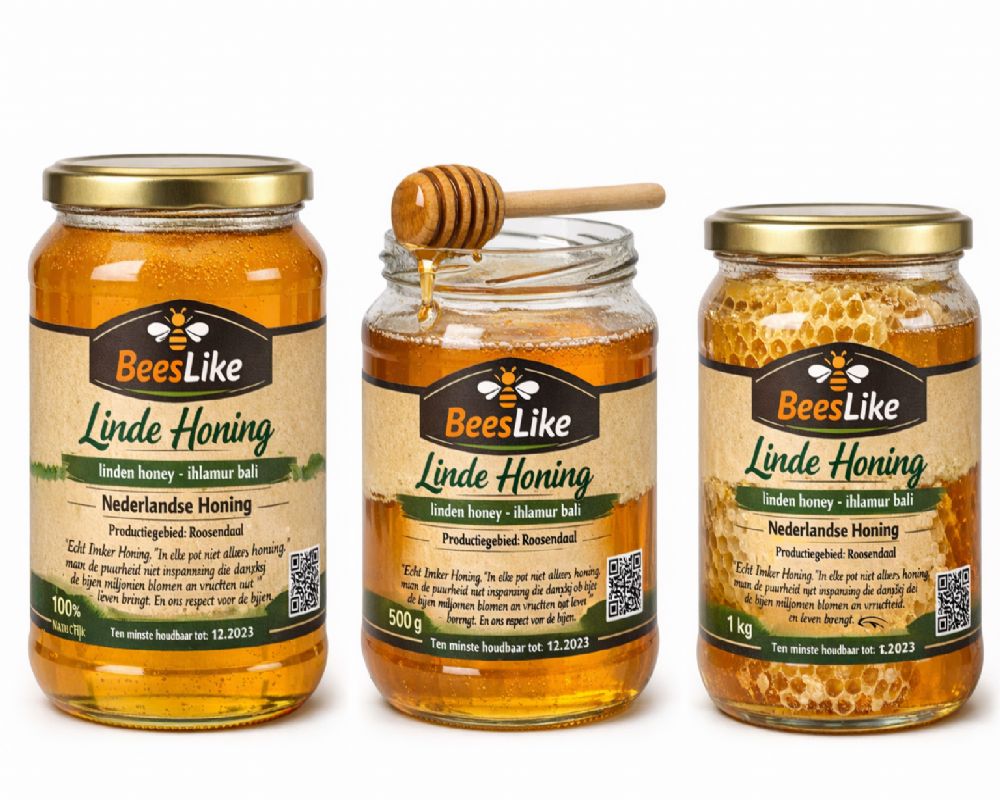
Linden honey: Light amber, with a strong, refreshing linden aroma. It may leave a mild menthol/mint sensation. Traditionally preferred for a calming evening drink—mixed into warm milk or linden tea.
-
Rhododendron honey (Komar honey): Unique to Turkey’s Eastern Black Sea region. Deep yellow in color, with a distinctive sharp yet pleasant aroma. It has an intense flavor.
-
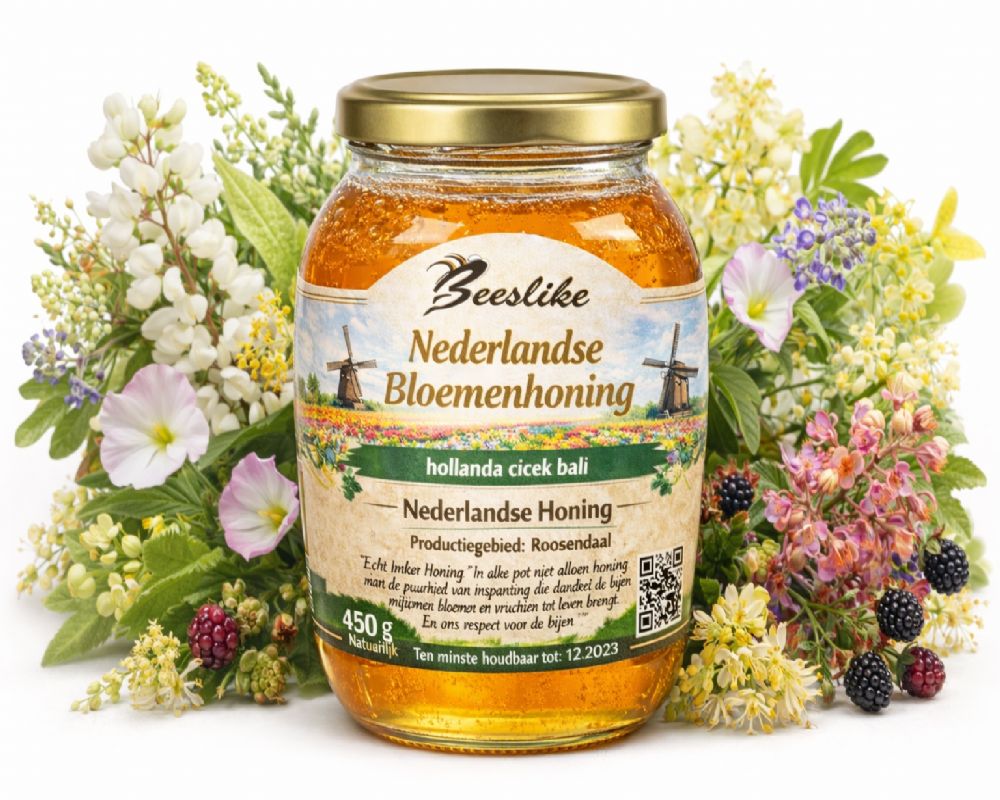
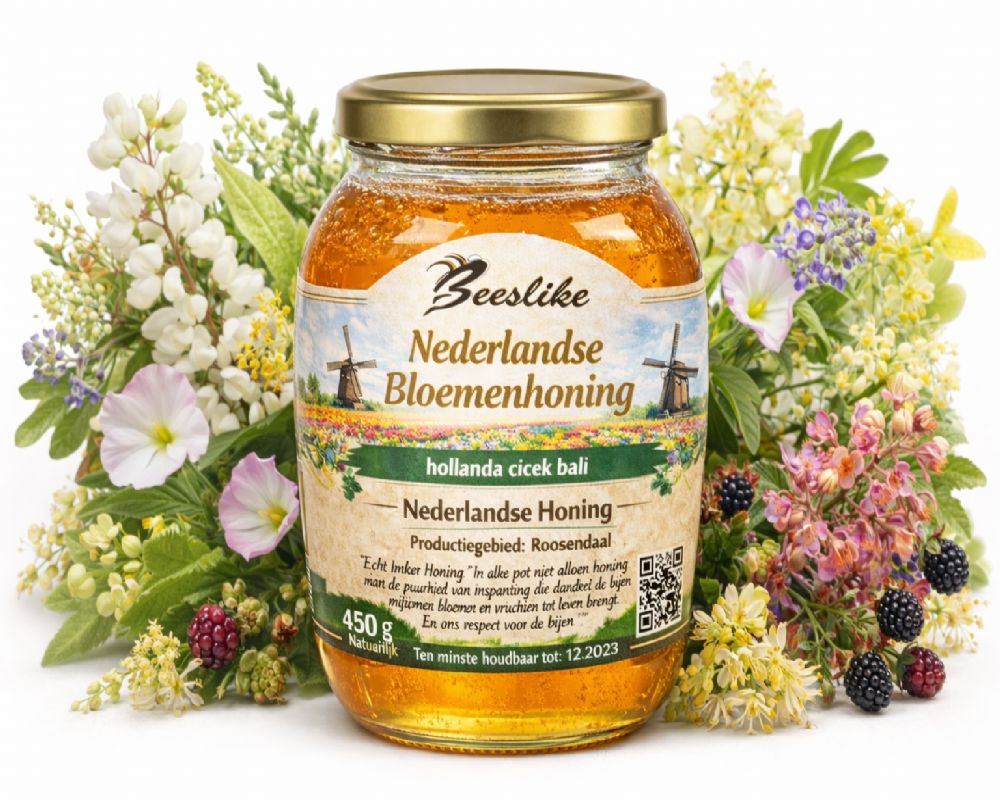
Dutch honey: Collected from many different flowers and known for a beautiful aroma. In many cities, Dutch honey from linden, acacia, blackberry and other fragrant blossoms often crystallizes at the beginning of winter.
🍋 6) Quick Mini Recipes (In 1 Minute)
Honey–Lemon Warm Drink
1 tsp honey + half a lemon + 200 ml warm water. A relaxing end-of-day drink.
1 tsp honey + half a lemon + 200 ml warm water. A relaxing end-of-day drink.
Yogurt–Honey–Walnut
3 tbsp yogurt + 1 tsp honey + a handful of walnuts. A practical snack.
3 tbsp yogurt + 1 tsp honey + a handful of walnuts. A practical snack.
Honey–Mustard Sauce
1 tbsp honey + 1 tbsp mustard + 1 tbsp olive oil + lemon. Perfect with salads & grilled foods.
1 tbsp honey + 1 tbsp mustard + 1 tbsp olive oil + lemon. Perfect with salads & grilled foods.
🏡 7) Storage & Crystallization: A Natural Process
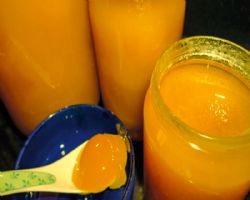
Store honey in a cool, dry place, away from sunlight, with the lid closed. Crystallization does not mean honey has spoiled; a gentle bain-marie that does not exceed 40 °C is ideal. If you like it runny, placing the glass jar in warm water is usually enough.
🚸 8) Safety Notes (Important)
- Babies: Honey should not be given to babies under 12 months (botulism risk).
- Allergy: If you are allergic to bee products/pollen, do not use.
- Diabetes: Consult your doctor before consumption; keep portions small.
✅ 9) Why BeesLike Honey?
Real Honey
Naturally aromatic, organic and genuine beekeeper’s honey...
Naturally aromatic, organic and genuine beekeeper’s honey...
Fresh Harvest
Seasonal small batches; consistent character. You can experience different aromas with each batch.
Seasonal small batches; consistent character. You can experience different aromas with each batch.
Local Partnerships
Sustainable beekeeping networks. We collaborate with local beekeepers to bring the finest genuine honey to your table.
Sustainable beekeeping networks. We collaborate with local beekeepers to bring the finest genuine honey to your table.
Experience nature’s golden taste: BeesLike Raw Honey Collection »
❓ Frequently Asked Questions
How much honey should I consume per day?
In general (except for babies under 1 year, and those with diabetes or weight-related concerns), small portions (1–2 tablespoons) are suitable.
Is crystallized honey spoiled?
No. It is a natural process; gentle warmth makes it runny again. Also, you can place crystallized honey in a container and whip it with a blender for a few minutes to turn it into a bright, creamy, spreadable texture. We especially recommend trying this experience.
Which honey is “healthier”?
The idea of “healthier” depends on context. Real honey may contain different vitamins, minerals and enzymes depending on its source and the flora the bees collect from. The best approach is to consume small amounts daily—many people enjoy it as a natural sweet taste in a balanced routine.
Legal Notice: This content is for informational purposes only and does not replace medical advice. Our products are not a medicine. Please make health-related decisions with your doctor. Honey is not recommended for babies under 1 year.