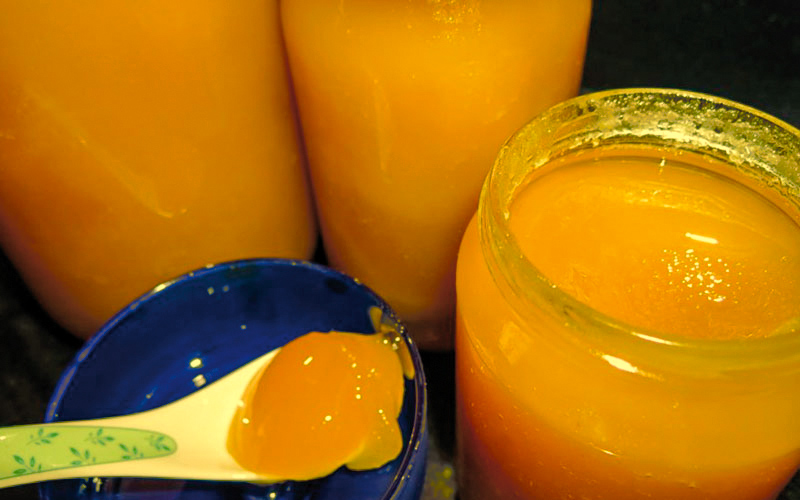
If Your Honey Crystallizes!!!
Summary: Real flower honey can crystallize (solidify) over time. This does not mean the honey has spoiled — on the contrary, it's proof of naturalness. Some honeydew honeys (e.g., pine, fir) may crystallize later or not at all due to their different sugar profile. You can liquefy crystallized honey by gently heating it or turn it into cream honey (spreadable consistency).
#rawHoney #crystallization #creamHoney #BeesLike
🔎 Why Does It Crystallize? (Brief Scientific Explanation)
Natural sugar balance
Glucose in honey is less soluble than fructose; over time, glucose crystals form and the texture thickens. This is a completely natural process.
Temperature effect
The 10–15 °C range accelerates crystallization. It's observed more quickly in winter environments; high temperatures can reduce the honey's aroma and enzyme quality.
Honeydew honey difference
Honeydew honeys like pine and fir, and some monofloral honeys (e.g., acacia) crystallize later due to their lower glucose content.
♻️ How to Gently Liquefy Crystallized Honey?
🫙
Bain-marie (water bath) method
Place the jar with the lid closed in warm water (≈35–40 °C). Stir occasionally to allow it to dissolve slowly. Do not exceed 40 °C — gentle heat is ideal to prevent enzyme and aroma loss.
🚫
Avoid microwave and boiling water
Excessive heat compromises the honey's natural qualities and reduces its taste/nutritional properties.
.jpg)
🥄 Turn Crystallized Honey into Cream Honey — Practical Home Recipe
Making cream honey breaks down large crystals to form fine, homogeneous crystals; the result is a spreadable, whitish, and smooth texture. The content doesn't change — only the texture improves.
What You Need
- 1 kg crystallized honey
- 100–200 g finely crystallized 'seed' cream honey (optional)
- Mixer or sturdy spatula
- Glass jar, cool storage place (13–15 °C)
Steps
- If the honey is very hard, first partially soften it at 35–40 °C (do not melt completely).
- When warm, whip with a mixer for 5–10 minutes or stir vigorously with a spatula; large crystals break down.
- Optionally add 10–20% finely crystallized seed cream honey for a smoother result. You will see the honey become pure white and creamy.
- Transfer to a jar; let it rest in a cool, stable temperature (13–15 °C) for 7–14 days. Occasional brief stirring improves the texture.
Tip: "Seeding" here is not for new crystallization but to make the already crystallized honey homogeneous and spreadable. Excessive whipping makes the honey lighter in color and creamier.
.jpg)
✅ FAQ — Frequently Asked Questions
No. Most pure flower honeys crystallize; processed, sugar-added, or high-fructose products rarely crystallize. No. Its physical state has changed; it can be safely consumed when gently heated or converted into cream honey.Does crystallization mean the honey is fake?
Is crystallized honey spoiled?
Which honeys crystallize less?
🏷️ Transparency & Practical Knowledge at BeesLike
Hygiene and Naturalness
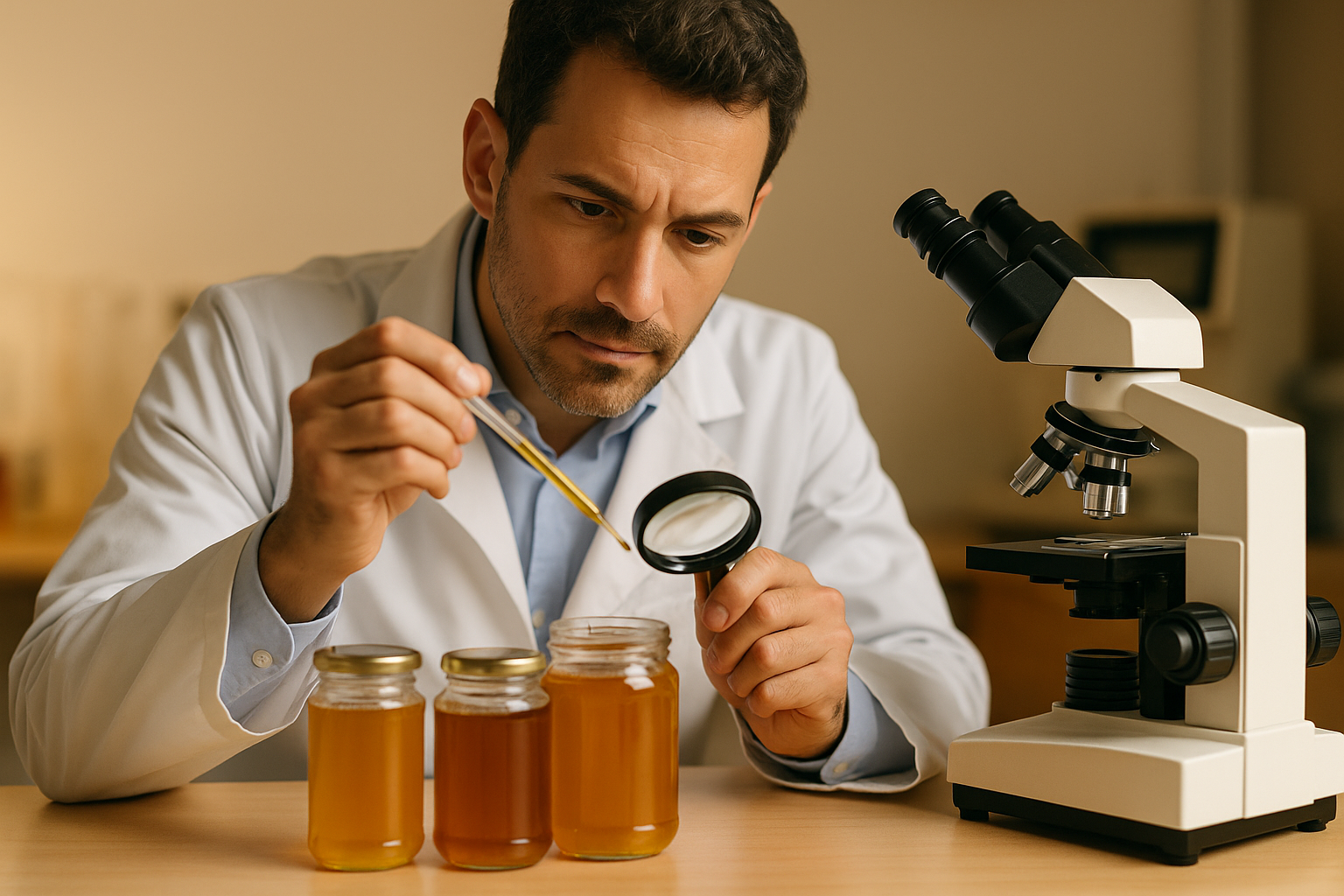
Flora, conductivity, and moisture analyses are shared for each batch. Care is taken to ensure honey is at the proper moisture level for straining and packaging. All frames are strained and packaged as they come from the hive. You can consume with peace of mind.
Flora, conductivity, and moisture analyses are shared for each batch. Care is taken to ensure honey is at the proper moisture level for straining and packaging. All frames are strained and packaged as they come from the hive. You can consume with peace of mind.
Heat Treatment
We do not apply any heat treatment to preserve flavor and natural enzymes. We ensure it reaches your table exactly as we take it from the hive.
We do not apply any heat treatment to preserve flavor and natural enzymes. We ensure it reaches your table exactly as we take it from the hive.
Cream Honey Options
Finely crystallized, spreadable forms — naturalness preserved. We use only a mixer and seed honey if necessary for cream honey production.
Finely crystallized, spreadable forms — naturalness preserved. We use only a mixer and seed honey if necessary for cream honey production.
Warning: Honey should not be given to infants under 12 months. Individuals with allergies should avoid consumption. Avoid high temperatures during heating.
Legal Notice: This article is for informational purposes only. The content does not substitute for medical diagnosis or treatment. Products are not medicines; consult authorized professionals for health-related decisions.
Legal Notice: This article is for informational purposes only. The content does not substitute for medical diagnosis or treatment. Products are not medicines; consult authorized professionals for health-related decisions.