🌿 Natural Protein & Vitamin Source
Summary: Bee pollen is the packaged form of pollen grains collected from flowers by bees. It contains high amounts of *protein*, *amino acids*, *vitamins*, *minerals*, *fatty acids*, and *bioflavonoids*; it is used in apitherapy centers for nutritional support, recovery, and general vitality purposes. However, pollen is *not a medicine* — there is research supporting its benefits, but caution is required due to allergy risk and individual conditions. Protein • Vitamin • Antioxidant
🔬 1) What is pollen? Short and technical definition
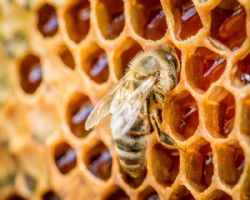
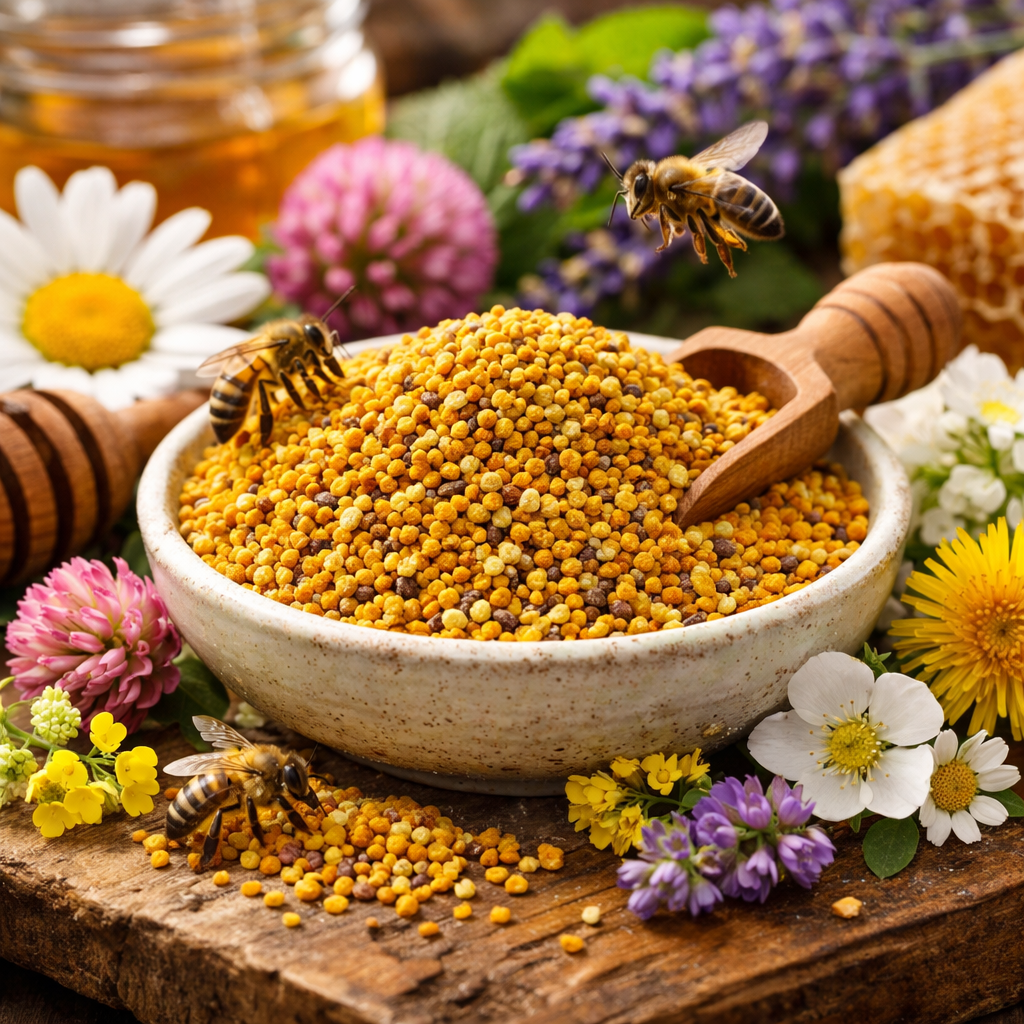
Bee pollen consists of microscopic grains containing the male reproductive cells (pollen) of flowers, collected and packaged by bees with flower essences and bee secretions. Structurally, it is a rich mixture of phytochemicals along with carbohydrates, proteins, fats, fiber, and minerals. Modern analyses show that the chemical profile of pollen varies greatly depending on the flower species and geography.
🧪 2) Pollen content — detailed (what's in it?)
Protein & Amino Acids
Pollen typically contains 15–35% protein; it can also provide essential amino acids — which is why it attracts attention as a "plant protein" source.
Pollen typically contains 15–35% protein; it can also provide essential amino acids — which is why it attracts attention as a "plant protein" source.
Carbohydrates & Fiber
Contains sugars like glucose, fructose, and beneficial fiber/fractions for digestion.
Contains sugars like glucose, fructose, and beneficial fiber/fractions for digestion.
Fats & Sterols
Contains essential fatty acids, phytosterols, and fat-soluble chemicals.
Contains essential fatty acids, phytosterols, and fat-soluble chemicals.
Vitamins & Minerals
Contains B vitamins (B1, B2, B3, B6), vitamin C (trace), vitamin E-like antioxidants; minerals such as potassium, calcium, magnesium, phosphorus, iron, zinc.
Contains B vitamins (B1, B2, B3, B6), vitamin C (trace), vitamin E-like antioxidants; minerals such as potassium, calcium, magnesium, phosphorus, iron, zinc.
Phenolic Compounds & Carotenoids
Flavonoids like quercetin, luteolin, apigenin, and carotenoids contribute to strong antioxidant/anti-inflammatory potential.
Flavonoids like quercetin, luteolin, apigenin, and carotenoids contribute to strong antioxidant/anti-inflammatory potential.
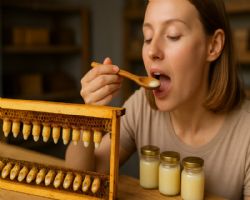
A small spoon, big nutritional density: one teaspoon of pollen — intense vitamin, mineral, and amino acid support.
🧬 3) How does pollen work? (physiological mechanisms)
- Nutritional support: Thanks to its dense micronutrient profile, it can help with seasonal energy, recovery, and muscle repair.
- Antioxidant & anti-inflammatory effect: Phenolic compounds and carotenoids have the potential to reduce oxidative stress; these mechanisms indirectly contribute to metabolic health.
- Possible contribution to immune support: Some preclinical and small human studies have reported changes in immune indicators; this suggests a "supportive" effect of pollen on the immune system, but larger RCTs are needed for evidence-based treatment claims.
📜 4) Pollen in history — for what purposes has it been used?
Traditional medical systems (Chinese, Egyptian, Ancient Greek, Ottoman medicine, etc.) used pollen for strength, reproductive support, wound healing mixtures, and general vitality purposes. In the 19th–20th century, with modern apitherapy practices, pollen became widespread as a tonic and supplement; today, it is evaluated as a dietary supplement and natural support in apitherapy sessions. (Historical records and ethnobotanical literature document these uses.)
🧾 5) Scientific studies — what do they say? (selected references)
Below are prominent reviews and analyses for readers; these studies provide evidence summaries on pollen's composition, biological effects, and safety profile.
Reviews & composition studies
Reviews such as Thakur et al. report that pollen is rich in proteins, phenolics, and fatty acids.
Reviews such as Thakur et al. report that pollen is rich in proteins, phenolics, and fatty acids.
Clinical and preclinical literature
PMC reviews discuss the antioxidant, anti-inflammatory, and metabolic effects of pollen; some small human studies have shown positive indicators.
PMC reviews discuss the antioxidant, anti-inflammatory, and metabolic effects of pollen; some small human studies have shown positive indicators.
Allergy and safety reviews
Studies on pollen allergens and risk profile (especially the allergen potential of pollen-derived proteins) are available; there is a risk of serious reactions in sensitive individuals — caution is required.
Studies on pollen allergens and risk profile (especially the allergen potential of pollen-derived proteins) are available; there is a risk of serious reactions in sensitive individuals — caution is required.
🍽️ 6) How to consume? Dosage & practical use
Common practice in apitherapy centers and nutritionists is as follows:
- Starting dose: For adults without allergy history, usually start with 1 teaspoon (approximately 2–5 g) per day; after a few days of observing tolerance and benefits, it can be increased to a range of 1 teaspoon to 1 tablespoon/day.
- Maintenance dose: Most recommendations are between 1–2 tablespoons daily (approximately 5–10 g); dosage can be adjusted individually for athletes or those wanting extra protein support.
- Consumption method: Practical and tasty when mixed with yogurt, smoothies, muesli, fruit, or honey.
- Chronic use: For long-term use, consult with a doctor or apitherapy specialist; especially if pregnant, breastfeeding, or with chronic illness, always get professional approval.
⚖️ 7) Safety & Contraindications — Very important
Warning: Pollen can trigger allergic reactions (rash, itching, swelling, anaphylaxis) in some individuals. People with allergy history, asthma, or sensitivity to flower pollen should absolutely not use it without consulting a doctor. Also, caution is required during pregnancy and breastfeeding.
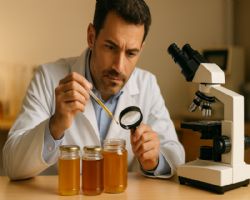
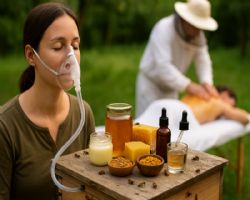
🔬 8) Pollen applications in apitherapy centers — how is it presented?
- Allergy and health history is taken during the initial consultation.
- Quality and source information: supplier's analysis reports (flora/analysis) are shown; organic/unprocessed products are preferred.
- Personalized protocols: starting dose, usage time (morning/noon), combinations (with propolis/royal jelly) and monitoring plan are determined.
📚 9) Selected Resources & Reading List
- Thakur, M. et al., Composition and functionality of bee pollen: A review. (review).
- Khalifa S.A.M. et al., Bee Pollen: Current Status and Therapeutic Potential, PMC review.
- El-Seedi H.R. et al., Honey Bee Products: Preclinical and Clinical Studies, Frontiers (general evaluation of apitherapy products).
- Matuszewska E. et al., Evaluation of Allergy Risk after Bee Pollen Supplementation, PMC (allergy study).
- WebMD — Bee pollen overview & safety/dosing summary.
Step into natural vitality with apitherapy — Get Appointment / Consultation »
Legal disclaimer: This content is for informational purposes only. Consult a doctor or authorized apitherapy specialist for health decisions regarding pollen and other bee products. This text is not medical diagnosis, treatment, or medication advice.