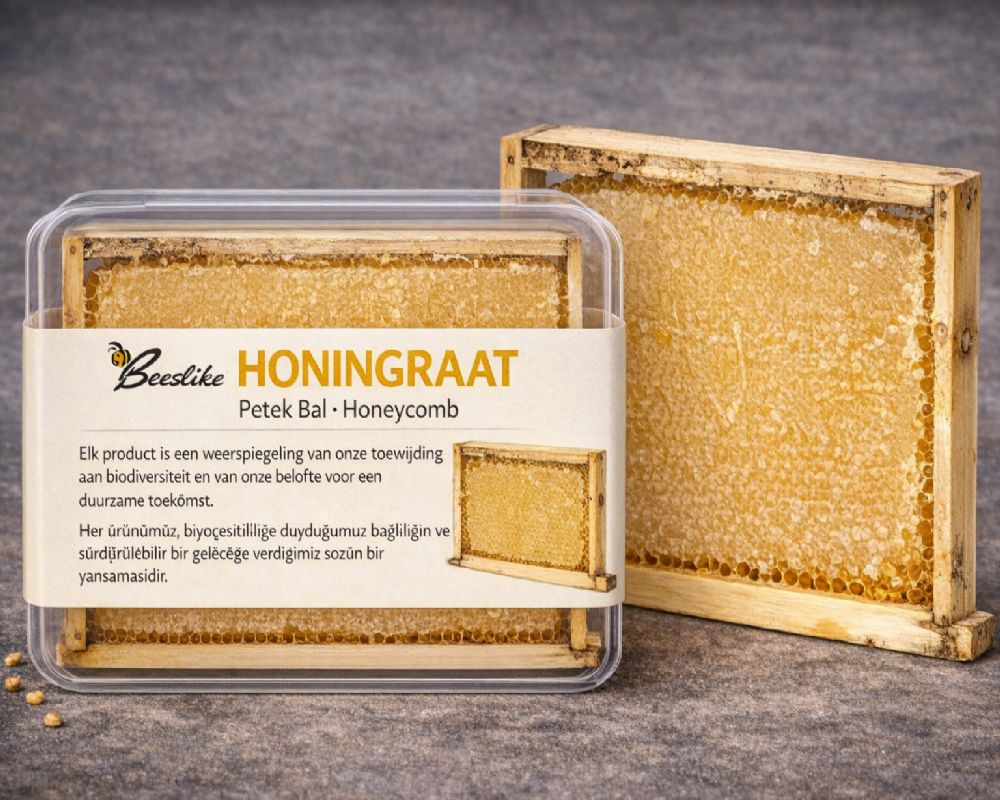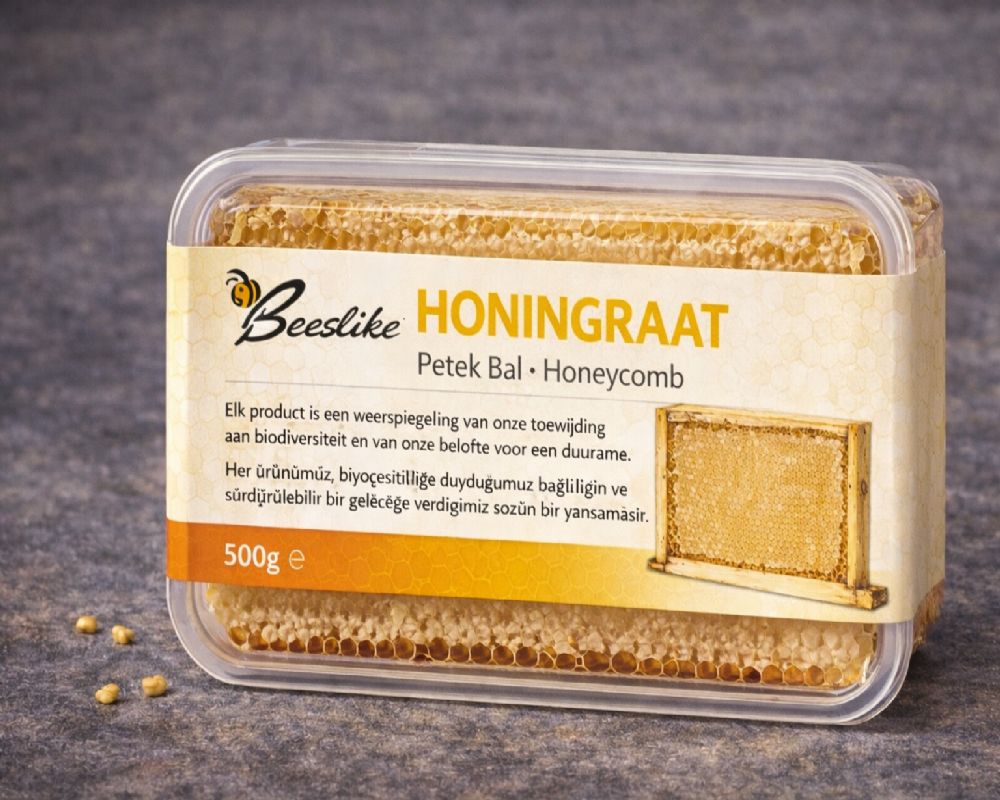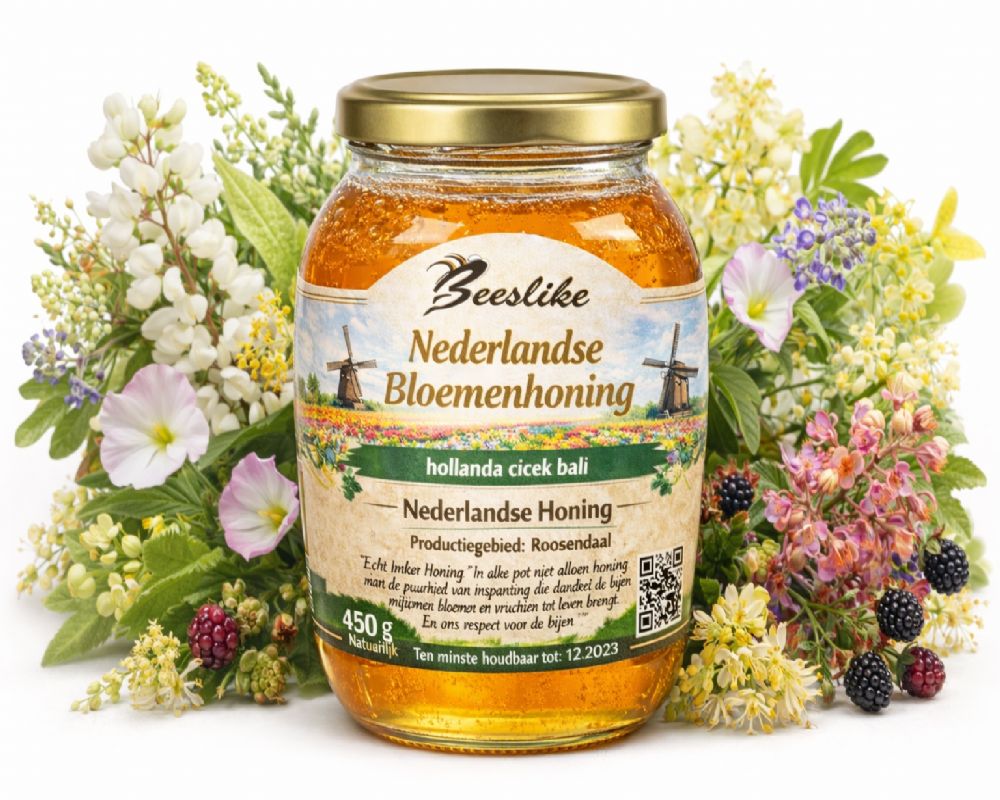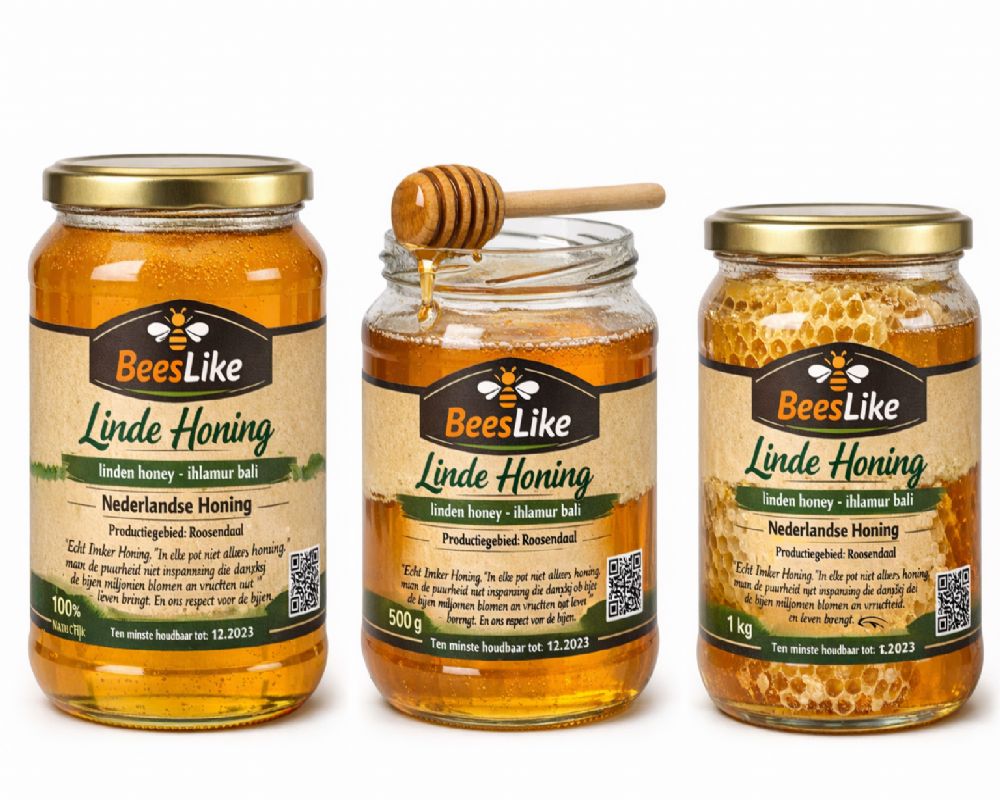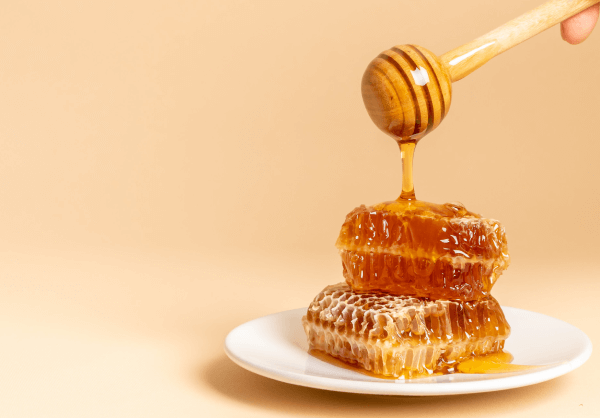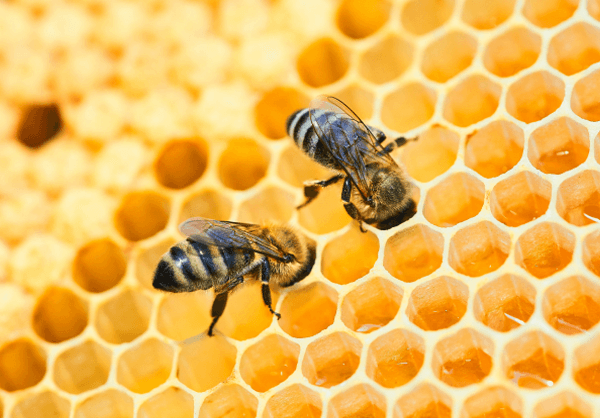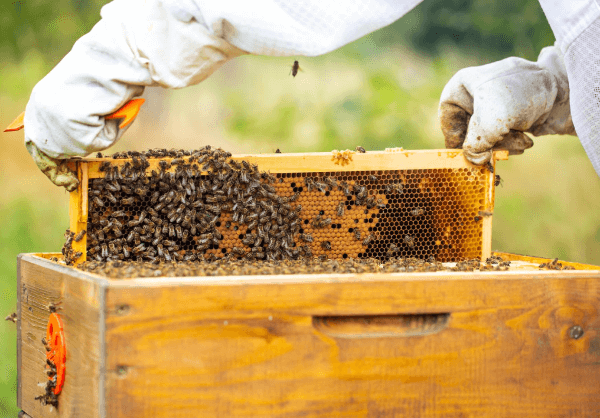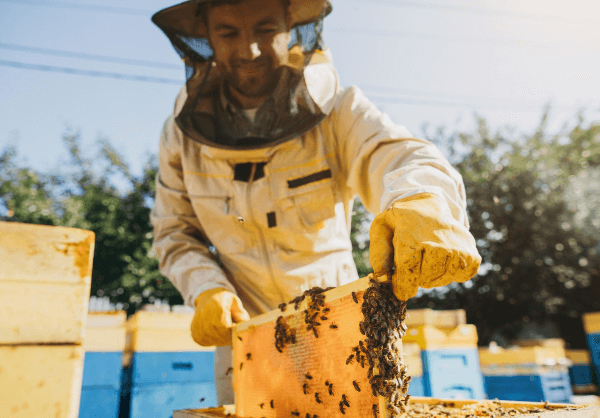
Summary: Real flower honey contains a natural sugar balance (fructose & glucose), enzymes, amino acids, polyphenols, and trace minerals. In apitherapy centers, honey is used as nutritional support and, in some cases, as a valuable natural resource for topical applications. This article combines historical and scientific perspectives to clearly explain what it is, how it’s used, and what to watch out for. Scientific notes included
🔬 1) Honey’s Composition — What does it contain?
Honey’s composition varies by source (flora), climate, and beekeeping conditions. A general profile can be summarized as follows:
Carbohydrates (70–80%)
Mainly natural fructose and glucose. The natural fructose/glucose ratio influences honey’s fluidity and tendency to crystallize.
Mainly natural fructose and glucose. The natural fructose/glucose ratio influences honey’s fluidity and tendency to crystallize.
Water (17–20%)
If the water content is high, the risk of fermentation increases — proper storage matters.
If the water content is high, the risk of fermentation increases — proper storage matters.
Enzymes & Amino Acids
Glucose oxidase (local H2O2 formation), invertase, diastase (amylase), and small amounts of amino acids such as proline.
Glucose oxidase (local H2O2 formation), invertase, diastase (amylase), and small amounts of amino acids such as proline.
🧩 2) Possible Effects in the Body — How might it work?
- Antioxidant effects: Polyphenols may help neutralize free radicals; levels can be higher in darker, monofloral honeys.
- Topical antimicrobial mechanisms: The enzyme glucose oxidase can generate low levels of H2O2; together with high osmotic pressure and low pH, this may help limit surface microorganisms — the principle behind medical-grade honey products.
- Quick energy source: Useful for exercise or short-term energy needs; however, calorie density should be considered.
- Prebiotic potential: Some oligosaccharides may have a positive effect on the gut microbiota; research is ongoing.
Short note: Honey is a natural source of energy and flavor — it is not a medicine. Honey is not a standardized product, so it can be used to support your metabolism and help you feel energized.
📜 3) History — How was honey used?
There are many historical records about honey’s use. Some notable examples:
- Ancient Egypt: Honey was used in wound care, mummification, and ointment recipes; it was valued for preservative and antiseptic properties.
- Ancient Greece & Rome: Hippocrates and Roman physicians used honey for throat complaints, syrups, and wound care.
- Traditional Chinese medicine & Ayurveda: Honey appeared in herbal mixtures as support for immunity and digestion.
- Ottoman / Middle Ages: Honey was widely used in palace cuisine and medical recipes as both a sweetener and a carrier ingredient.
In modern medicine, these traditional insights have been combined with laboratory analyses, especially to develop controlled applications in wound care.
🧾 4) Scientific Studies — Key evidence
Below is a brief, practice-oriented overview of frequently cited findings in the literature:
Cochrane review — Honey for wounds
A systematic review reporting that medical-grade honey may be helpful for certain wound types; results are heterogeneous and product standardization matters.
A systematic review reporting that medical-grade honey may be helpful for certain wound types; results are heterogeneous and product standardization matters.
Reviews — enzyme & composition research
Comprehensive reviews examine enzymes in honey (glucose oxidase, diastase, etc.) and their potential biochemical roles.
Comprehensive reviews examine enzymes in honey (glucose oxidase, diastase, etc.) and their potential biochemical roles.
Wageningen research (bees & diagnostics)
Wageningen-associated studies suggest bees can discriminate samples containing SARS-CoV-2 based on scent — this is diagnostic research and does not imply a treatment claim via honey consumption.
Wageningen-associated studies suggest bees can discriminate samples containing SARS-CoV-2 based on scent — this is diagnostic research and does not imply a treatment claim via honey consumption.
🩺 5) Practical tips for apitherapy
- Topical use: For wound care, use only certified medical-grade honey — do not apply kitchen honey directly to open wounds.
- Nutritional support: Consume honey in small portions (1–2 tablespoons/day) as part of a balanced diet; people with diabetes should seek medical advice.
- Product selection: Prefer trusted sellers who share batch analyses and quality indicators such as MGO (when applicable).
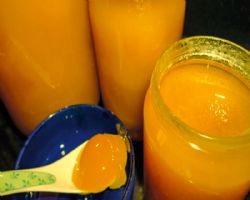
- Crystallization: Crystallization doesn’t reduce quality — gentle bain-marie warming or a creamed-honey method can make it easier to use.
🚸 6) Safety & warnings
- Infants: Honey should not be given to babies under 12 months (botulism risk).
- Allergy: People allergic to pollen/bee products should not use it.
- Diabetes: Honey contains high natural sugars — those managing diet therapy should consult their doctor.
- Topical use: For medical purposes, supervision by a healthcare professional is essential.
📚 7) Key references (brief)
- Jull AB et al. — Cochrane review: Honey for wounds (systematic review).
- Reviews — on honey’s enzyme and polyphenol profiles (various review papers; JSFA/MDPI/PMC sources).
- Wageningen Bioveterinary Research — studies on bees’ ability to recognize SARS-CoV-2 samples (diagnostic research).
For accurate information and the right product choice: Apitherapy Consultation »
Legal Notice: This content is for informational purposes and does not replace medical diagnosis or treatment. Apitherapy and the use of medical-grade honey should only be applied under the supervision of authorized healthcare professionals.