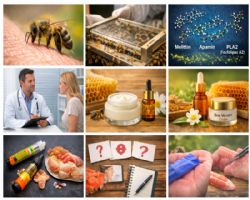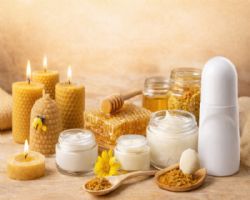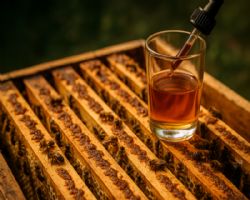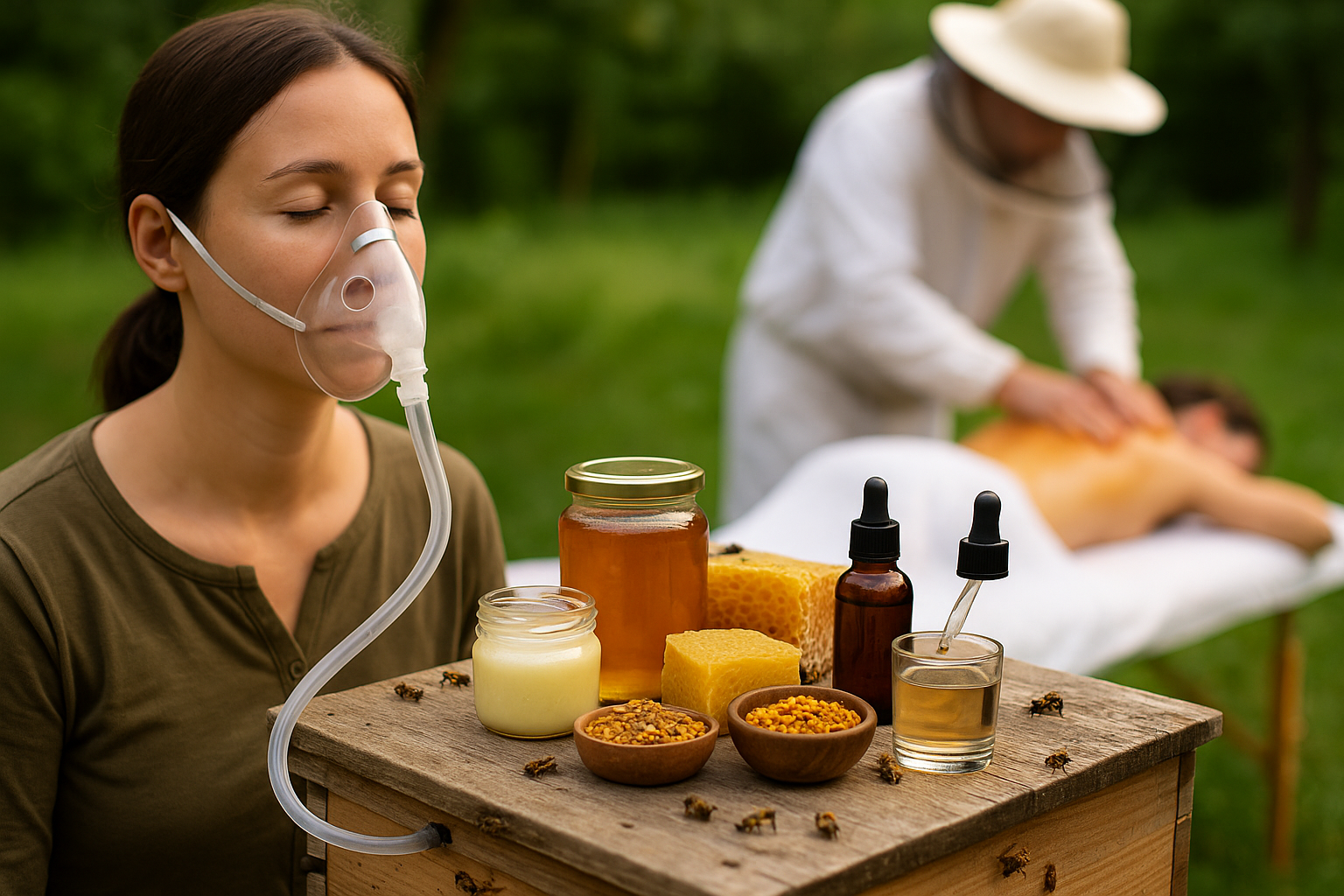
Summary: Apitherapy is a concept derived from the words "api" (Latin for bee) and "therapy" (healing). It is a therapy using bee products — honey, propolis, royal jelly, pollen, beeswax, bee air, and bee venom. Bee products contain many vitamins, minerals, enzymes, and other important substances crucial for the human body. Thus, they revitalize the metabolism and provide necessary vitamins, minerals, and other substances. Throughout history, it represents a field of practice used by humans in supportive and traditional methods. Today, modern medical research studies the chemical composition of these products, however, therapeutic effect claims are being attempted to be proven scientifically in many studies.
📜 1) Brief History: From Ancient Civilizations to Today
The roots of apitherapy date back thousands of years. The use of honey and propolis in wound care and mummification is recorded in Ancient Egyptian texts. Hippocrates (400 BC) described honey as a "natural healer," Aristotle referred to royal jelly as the "food of the gods." In Chinese and Mesopotamian medicine, bee venom and beeswax mixtures were applied for massage purposes in joint ailments. In the modern era, the term "apitherapy" was first used systematically in the late 19th century by the Austrian physician Philipp Terc.
Throughout history, many civilizations from Egypt to China, from Anatolia to Europe, used bee products in special mixtures. Particularly, ancient Greek physicians called honey a "divine food," and medieval scholars defined propolis as a "natural preservative." In modern times, this ancient knowledge has merged with scientific analyses, and over 300 active components in bee products have been chemically identified. Today, each of these components is being researched in the fields of nutritional science and biotechnology, forming the basis of the apitherapy concept.
🧪 2) Fundamental Bee Products Used in Apitherapy
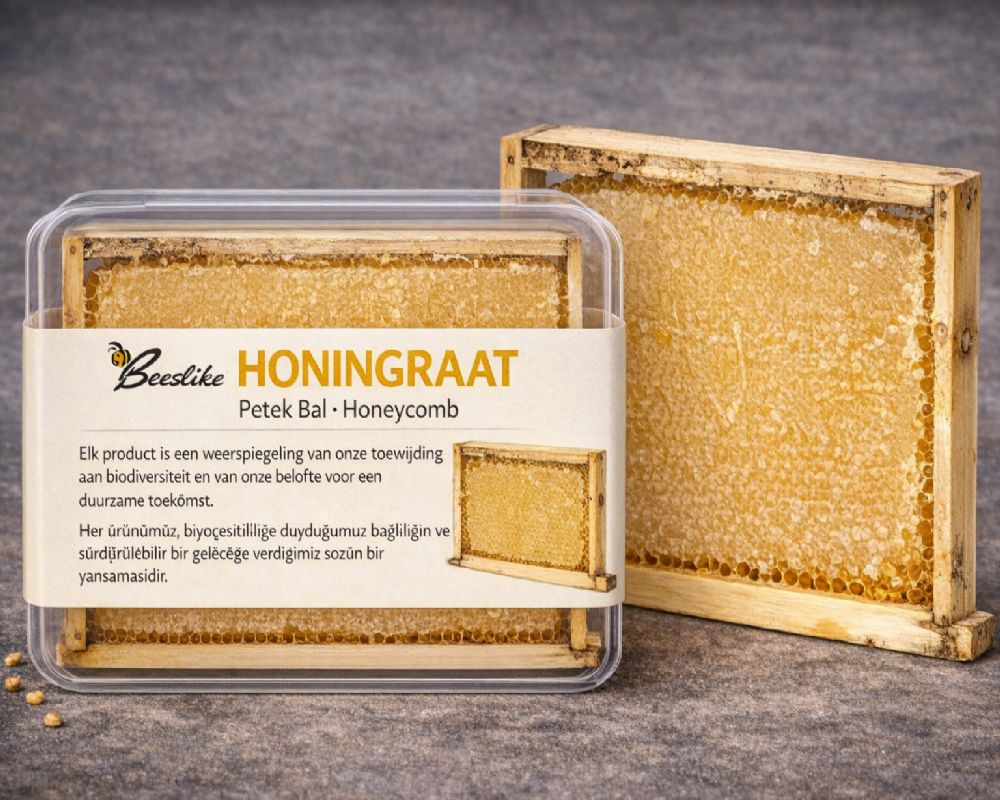
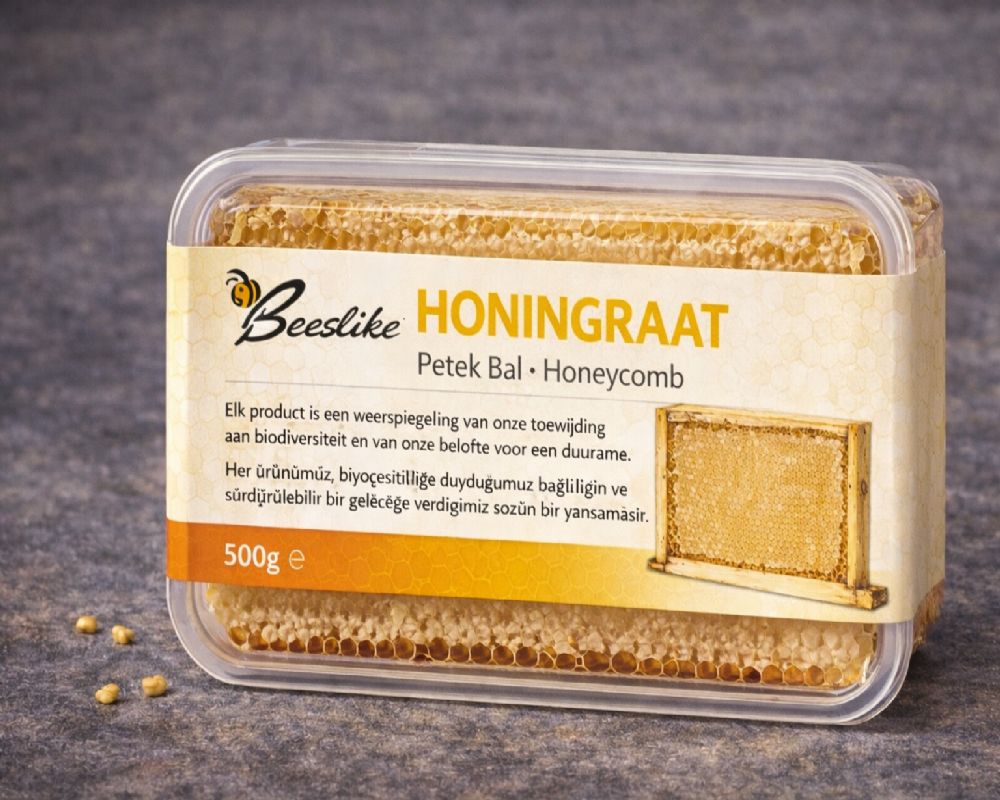
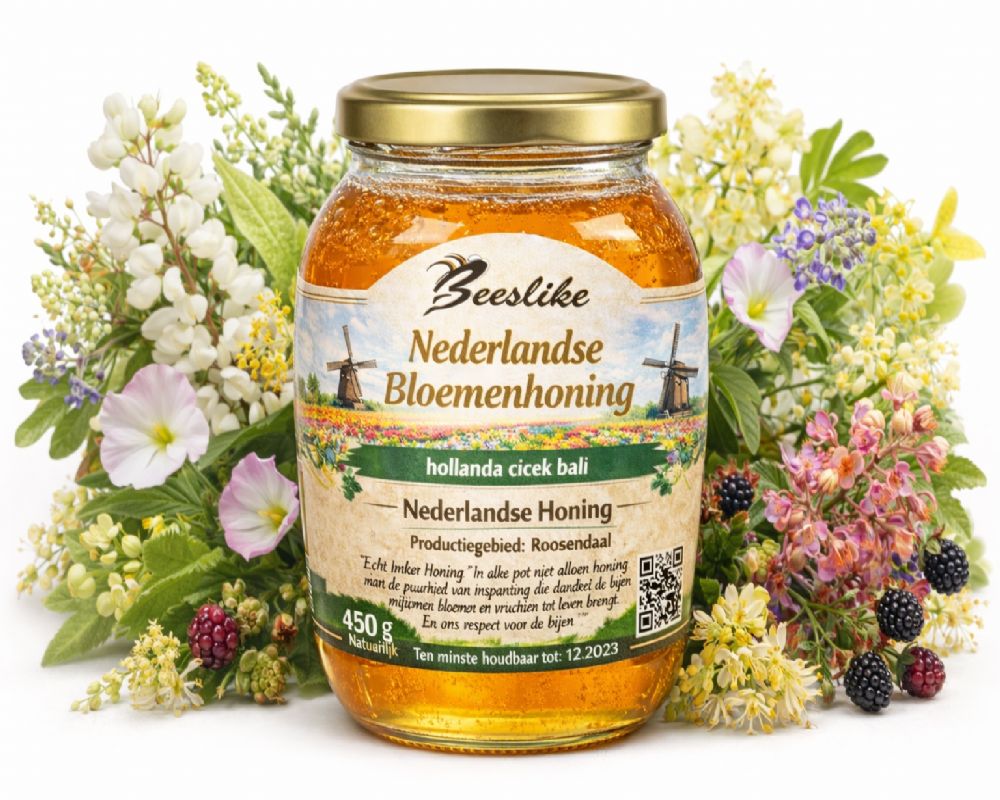
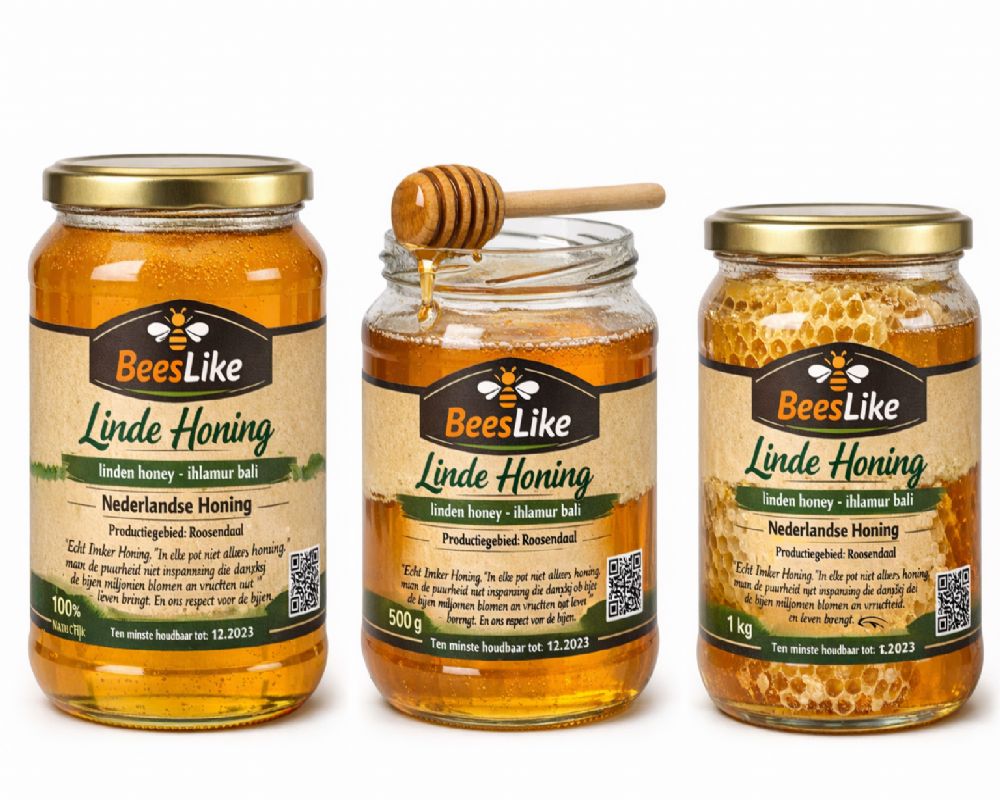
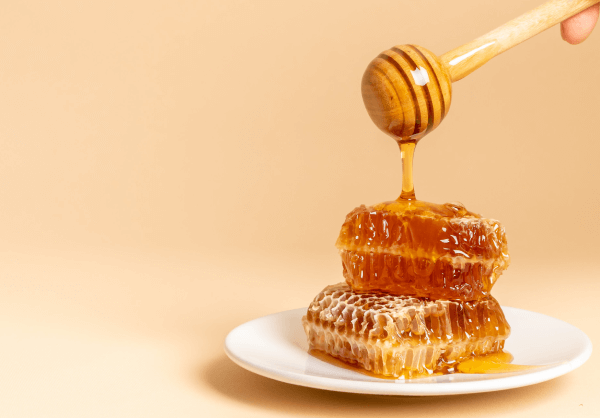
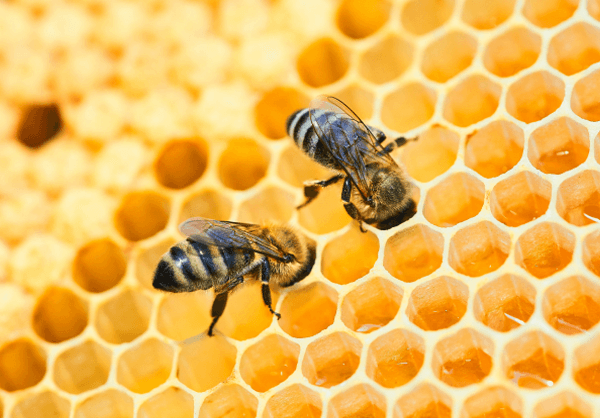
Honey
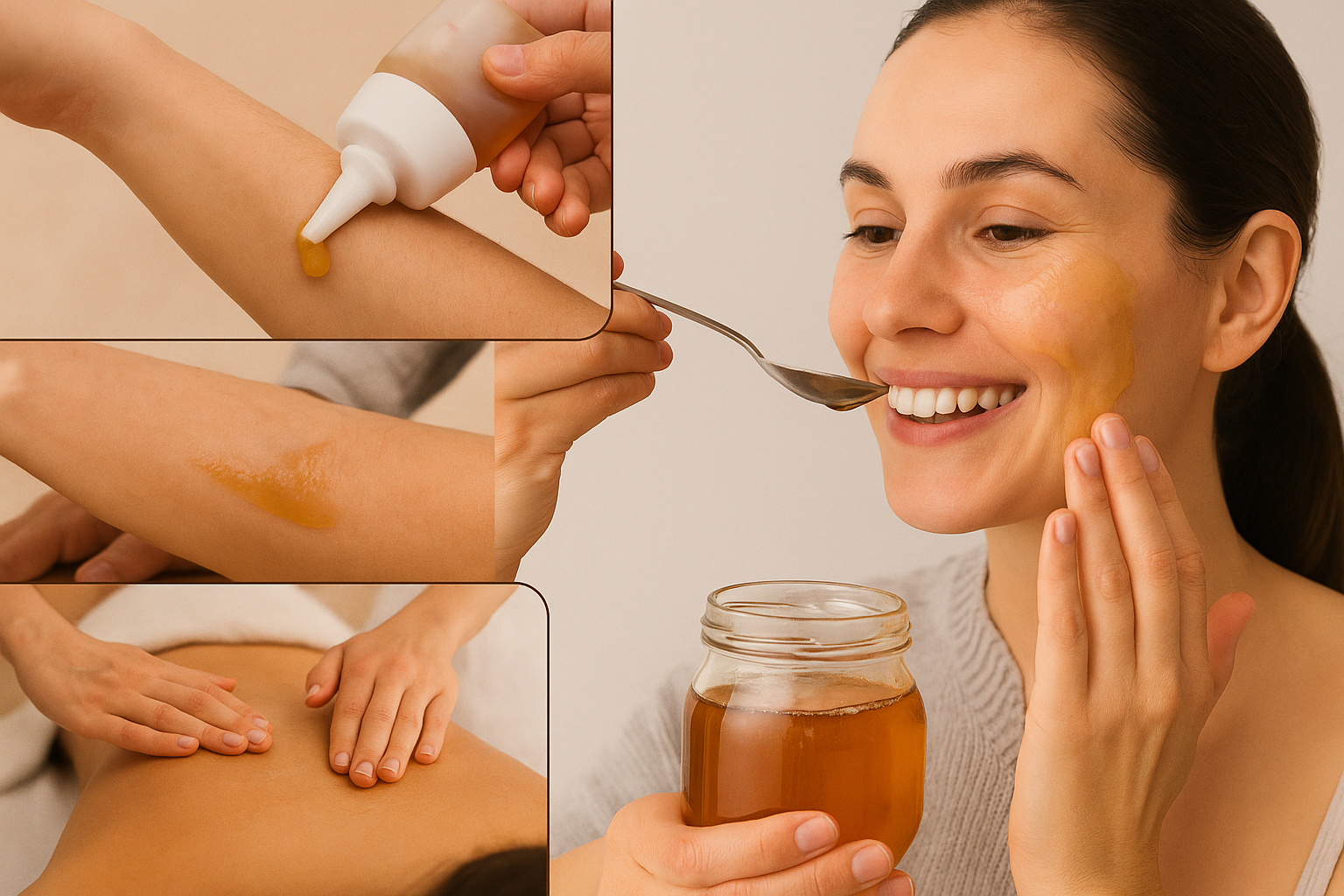
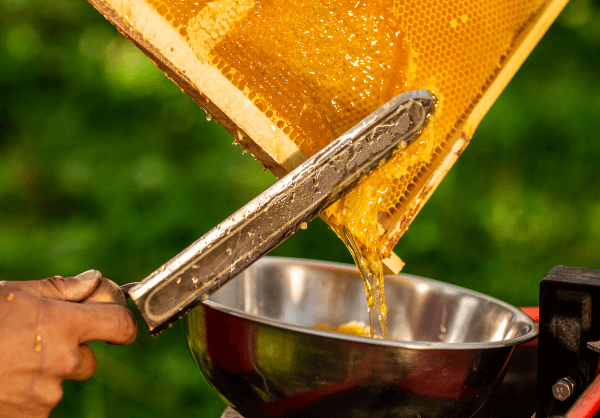
Used in nutrition as an energy source and to strengthen metabolism, as well as in skincare and traditional wound cleansing.
Used in nutrition as an energy source and to strengthen metabolism, as well as in skincare and traditional wound cleansing.
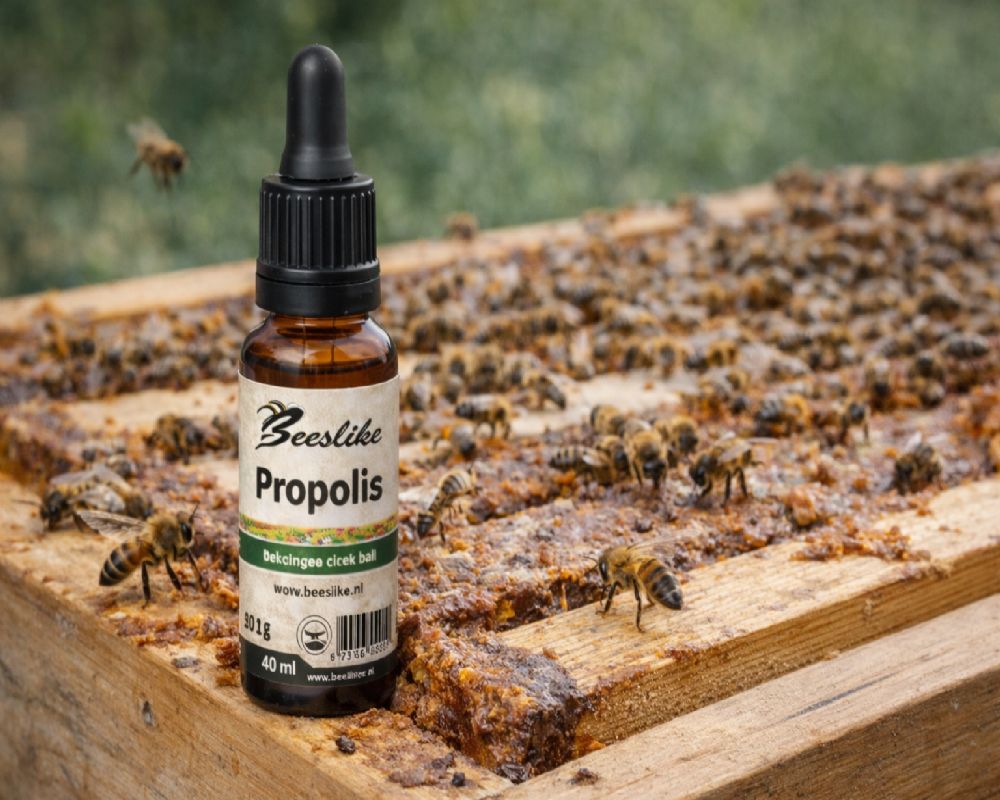
Propolis
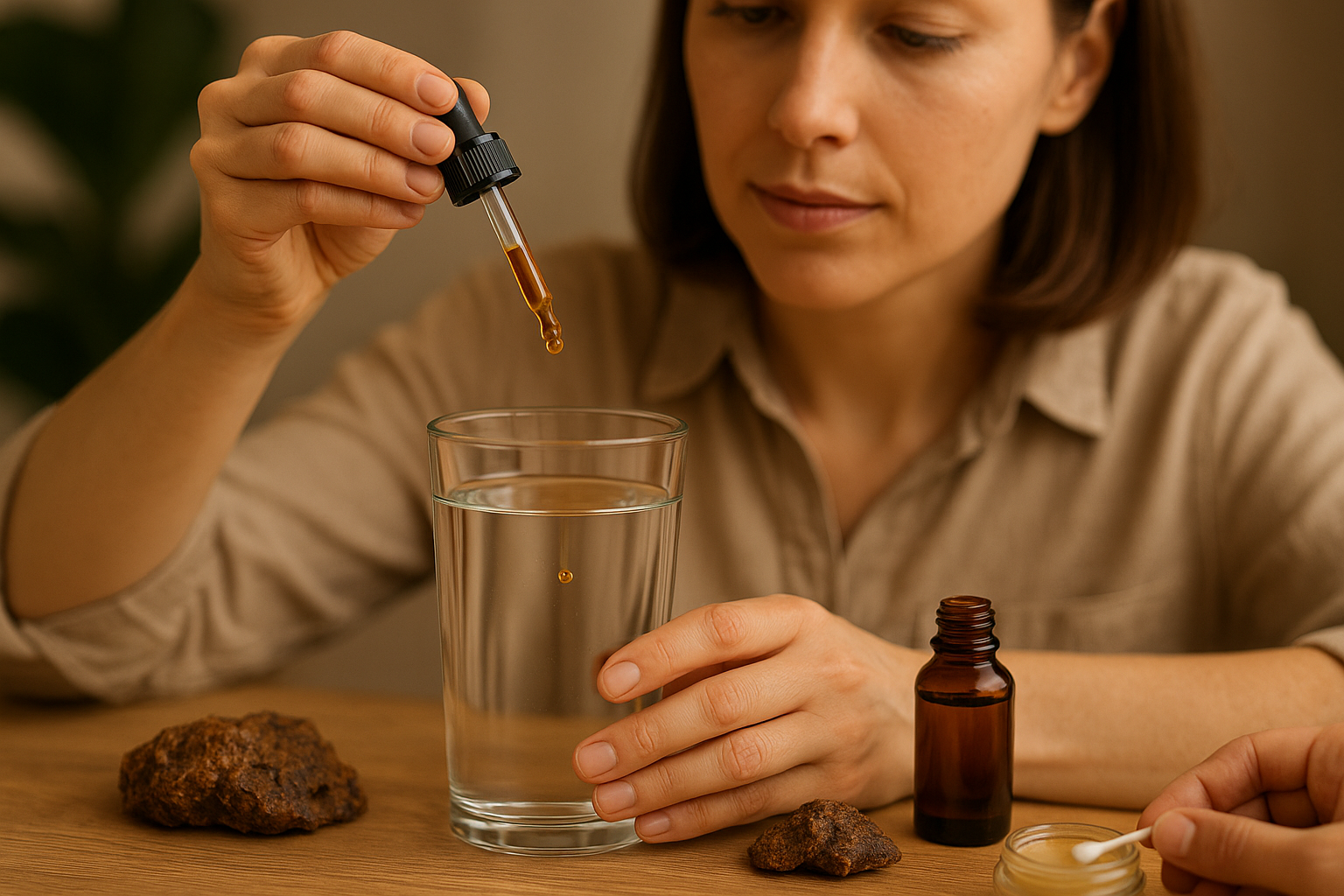
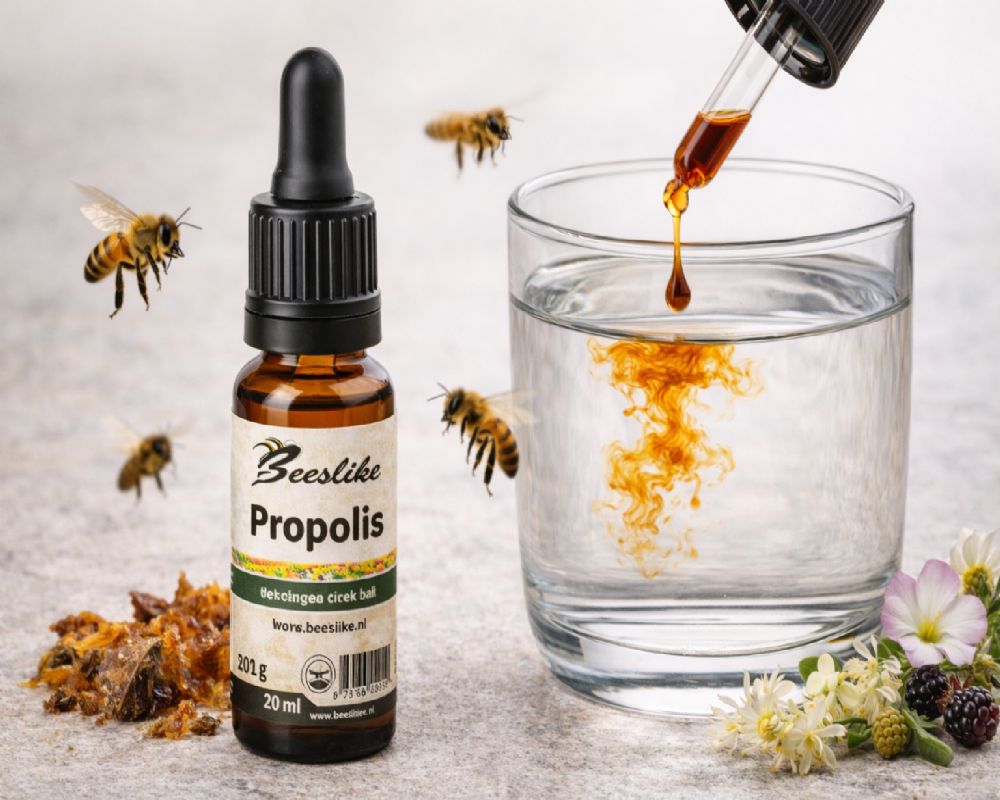
A substance collected by bees from plants and tree resins; researched for its antimicrobial, antibacterial components and other properties.
A substance collected by bees from plants and tree resins; researched for its antimicrobial, antibacterial components and other properties.
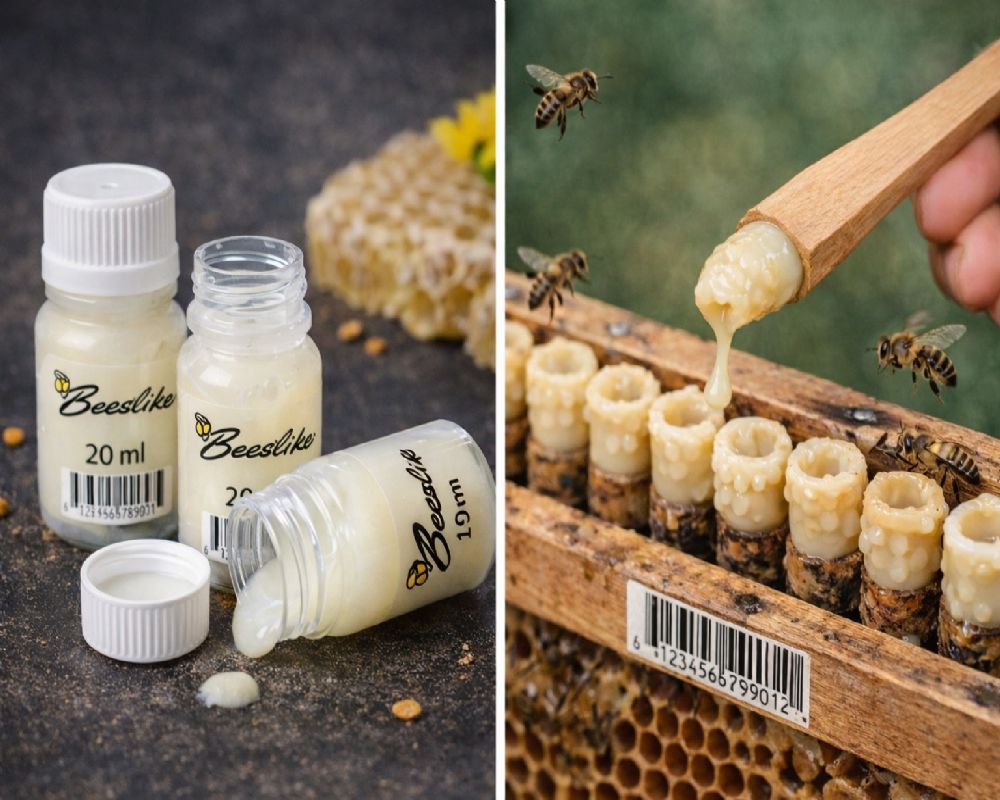
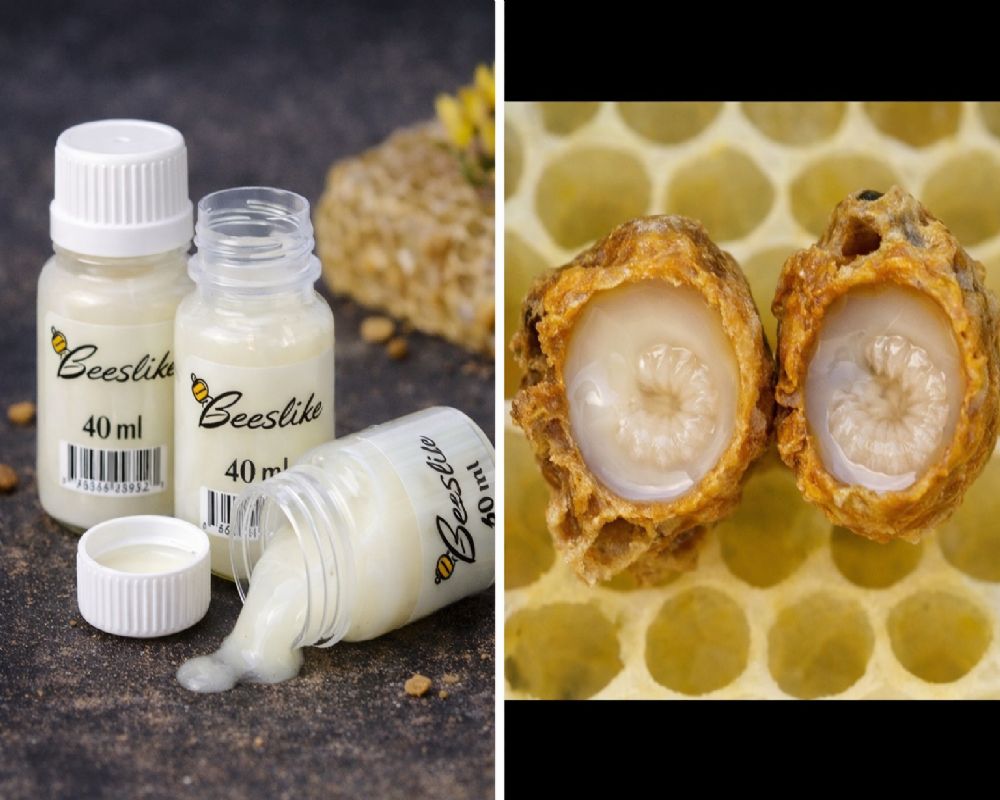
Royal Jelly
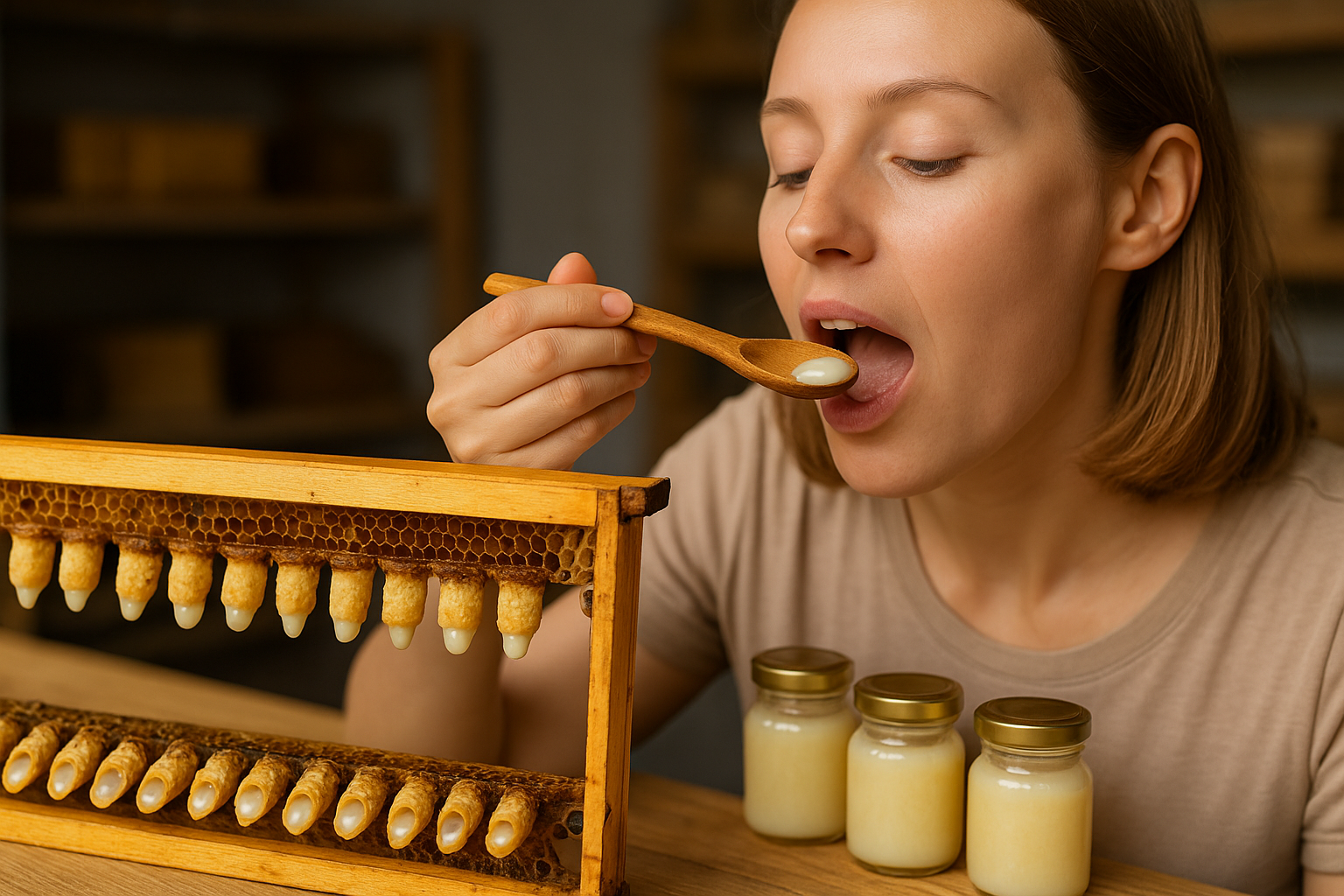
The primary food of the queen bee; researched for its protein, fatty acid, and vitamin content.
The primary food of the queen bee; researched for its protein, fatty acid, and vitamin content.
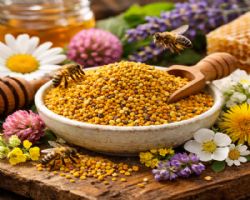
Pollen
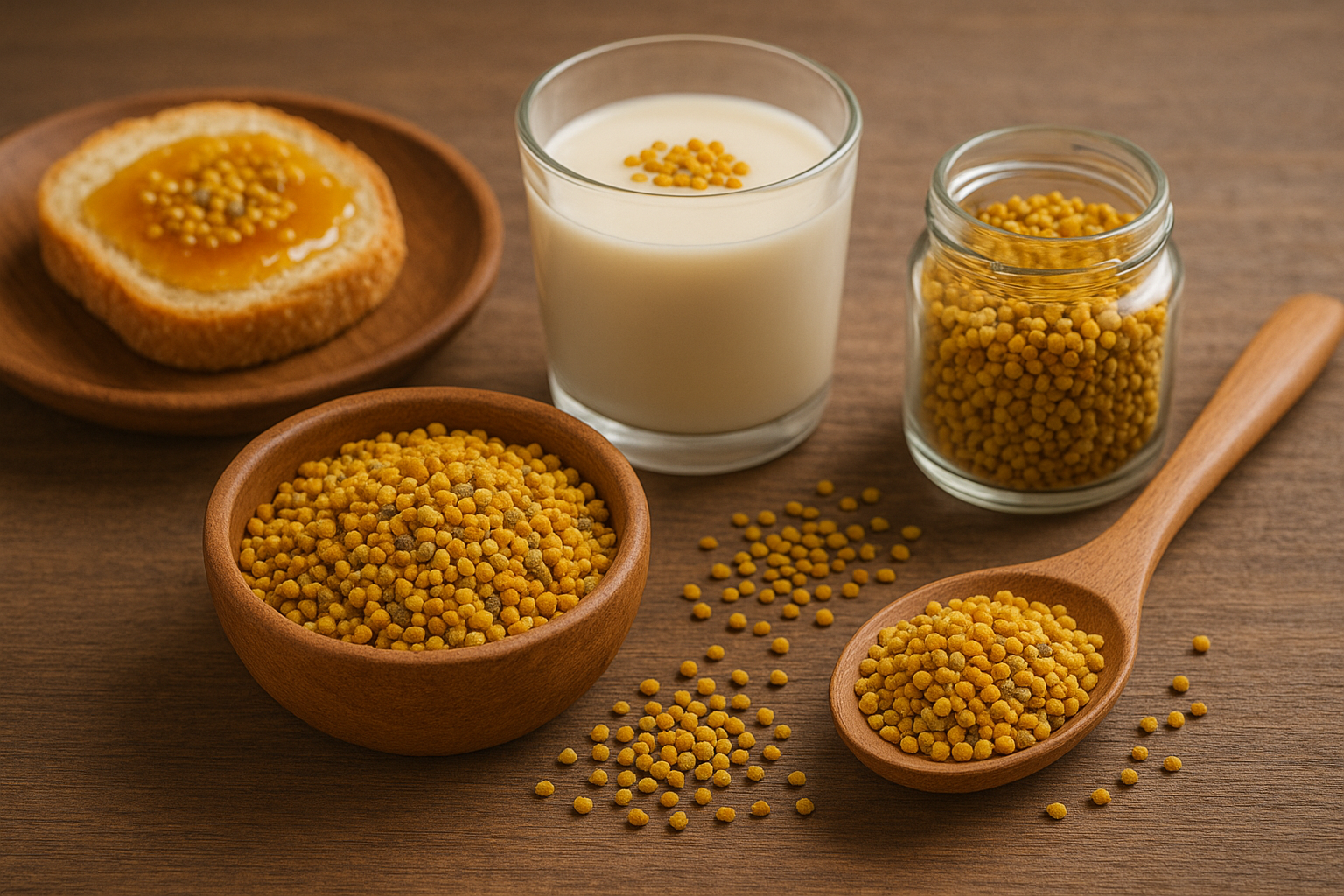
Used in nutrition as a natural source of protein and amino acids.
Used in nutrition as a natural source of protein and amino acids.
Bee Venom (Apitoxin)
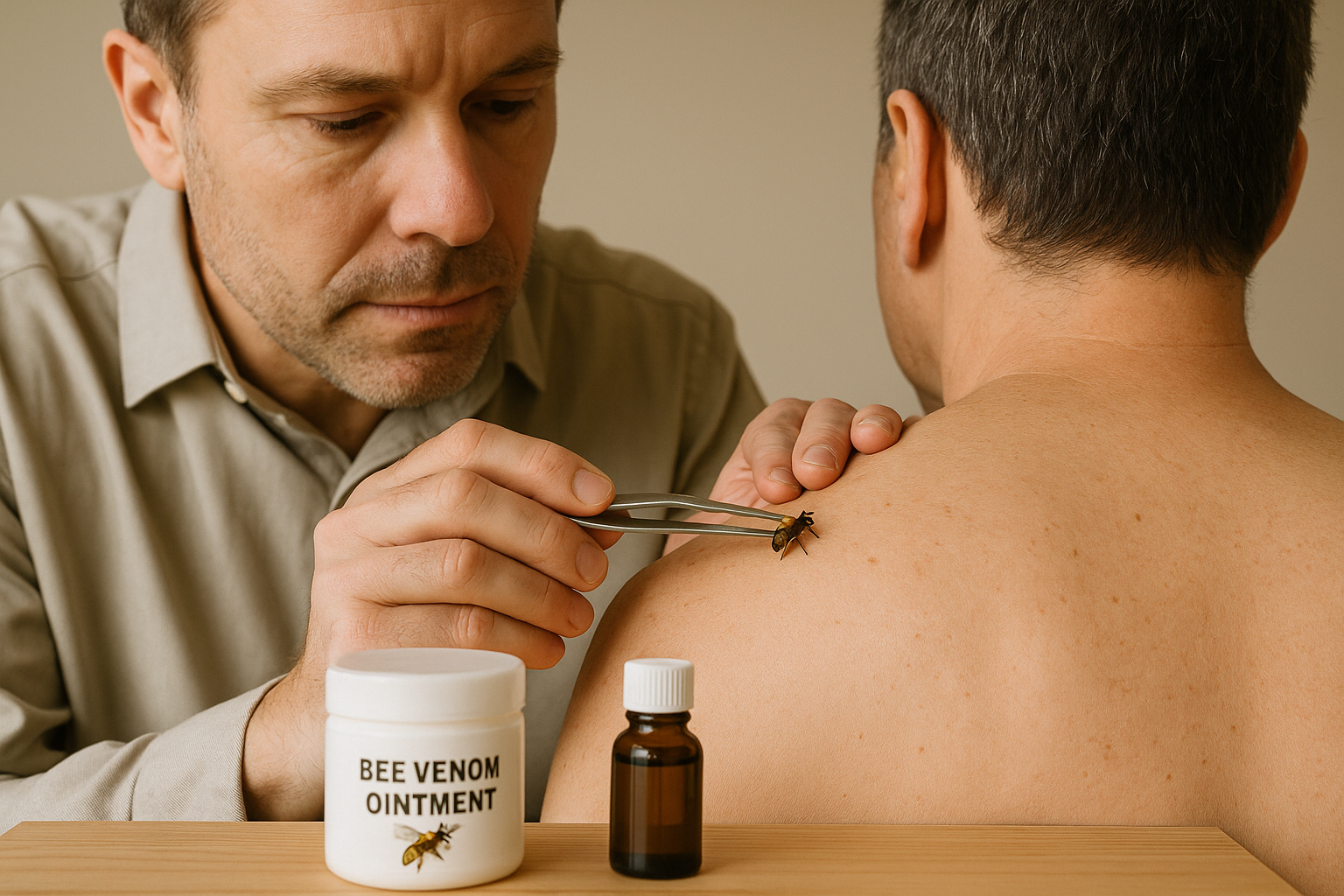
The physiological effects of peptides like melittin and apamin are being studied.
The physiological effects of peptides like melittin and apamin are being studied.
Beehive Air (Apiair)
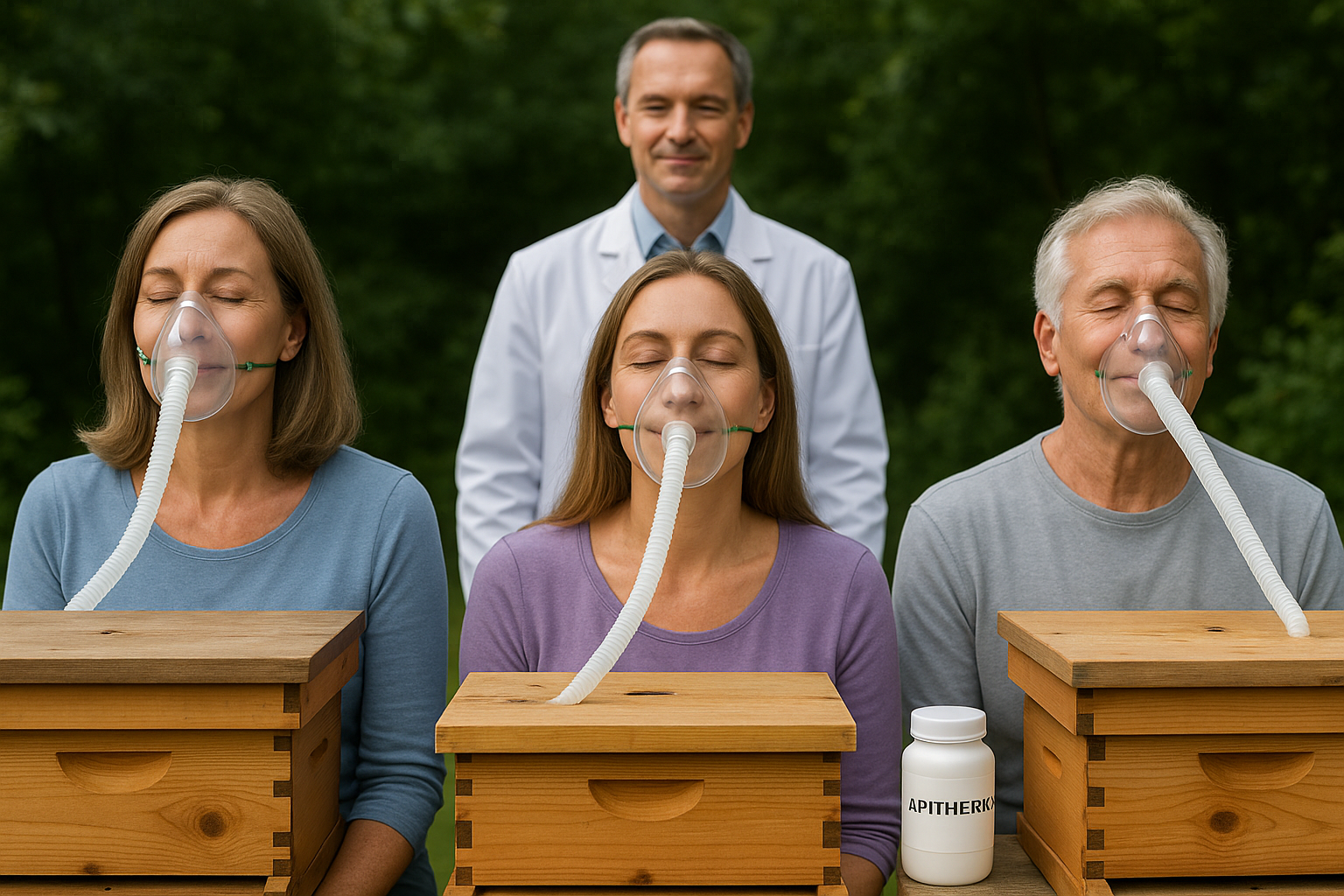
Beehive air: Applied especially for those with lung conditions.
Beehive air: Applied especially for those with lung conditions.
🌿 3) What Do Scientific Studies Say?
In the scientific world, apitherapy has been intensively researched in recent years. Particularly, the antioxidant profiles of honey and propolis, the protein and vitamin richness of pollen, the biologically active components of royal jelly, and the enzymatic effects of bee venom have been the subject of many studies. The common point of these studies is proving that bee products are not just food items but biologically valuable natural resources. Thus, apitherapy has become not just a traditional concept but a natural science supported by laboratory data.
Current literature analyzes the biochemical properties of bee products in detail. Studies on bee venom research the effect of the component melittin on inflammation mechanisms in laboratory settings. However, these results do not mean a clinically proven therapeutic effect; scientific evaluations generally use the phrase "potential benefit."
⚗️ 4) Modern Apitherapy Practices
Today, apitherapy is practiced in some countries in complementary medicine clinics as controlled bee sting therapy or beehive air inhalation therapy. Particularly in Central and Eastern Europe, there are centers operating within a legal framework under the name "Apitherapy Centers." The products used in applications are sterilized, medical-grade products. In Turkey and EU countries, apitherapy is defined only as a supportive therapy under medical supervision.
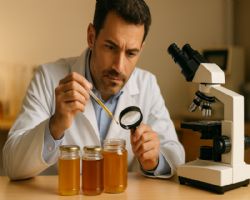
Medical faculties, especially in Europe and Asia, have published hundreds of studies analyzing the biochemical effects of honey and propolis. These researches have revealed the supportive effects on body functions of natural flavonoids, phenolic acids, and enzymes contained in bee products. This data has turned apitherapy from merely a traditional practice into a scientifically based natural support approach.
🌸 5) The Power of Apitherapy: Learning from Nature
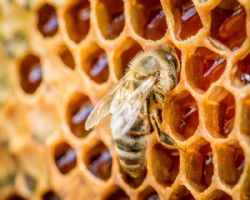
Bees do not only produce honey; they maintain the balance of nature. Apitherapy is essentially an approach that tries to understand this balance: to evaluate the components offered by nature in a measured, scientific, and ethical manner. With the advancement of modern science, bee products are now the subject of not only folk medicine but also biotechnology, pharmacology, and dermatology research.
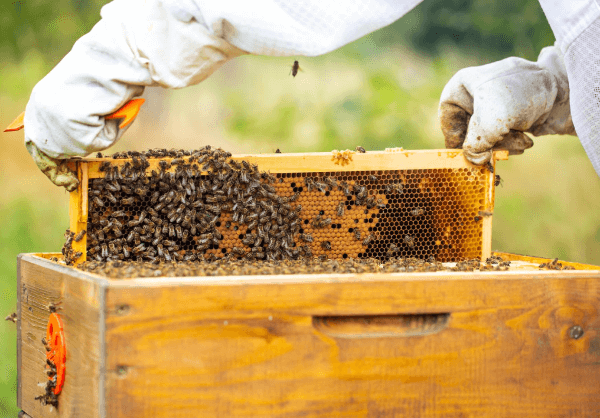
One of the most striking aspects of apitherapy is that it represents the perfect cycle in nature. While the bee transforms nectar from plants into honey, it actually converts thousands of micronutrients. In the same process, other valuable products like propolis, pollen, royal jelly, and beeswax are born. These natural components, each with different functions, protect, nourish, and strengthen the bee colony when combined. Humans, by benefiting from the components produced by this ecosystem, reconnect with the integrity of nature. Apitherapy is the reflection of this biological cooperation into human life.
🌍 7) The Future of Apitherapy
Increasing scientific interest has placed apitherapy in an interesting position in the field of "modern biological medicine." New research combining nanotechnology is investigating the potential use of bee components in targeted drug delivery systems. However, randomized, double-blind, large-scale clinical studies are required for research results to be translated into clinical use.
Meet the balance of nature: Learn More About BeesLike Bee Products »
Legal Disclaimer: This article is for informational purposes only. The information here does not constitute medical diagnosis, treatment, or medication advice. Apitherapy practices should only be performed by authorized healthcare professionals.